Thirteen Field Guides for a World Without a Map

You’ve read the manifestos. You know the canon. Yet the world’s machinery of control grows more insidious, fluent in the language of your dissent, adept at metabolizing your outrage into content. Your well-worn manuals feel like maps to a country that no longer exists. This list is for those who sense the game has changed. It’s for the strategists of the soul, the cartographers of collapse, and the terminally skeptical who need new tools to crack open the present. They are survival guides for the psyche, blueprints for new solidarities, and philosophical grenades for a reality that has outrun its own metaphors. Read them not to be right, but to be dangerous in the ways that now matter.
1) Dysphoria Mundi (2025) by Paul B. Preciado
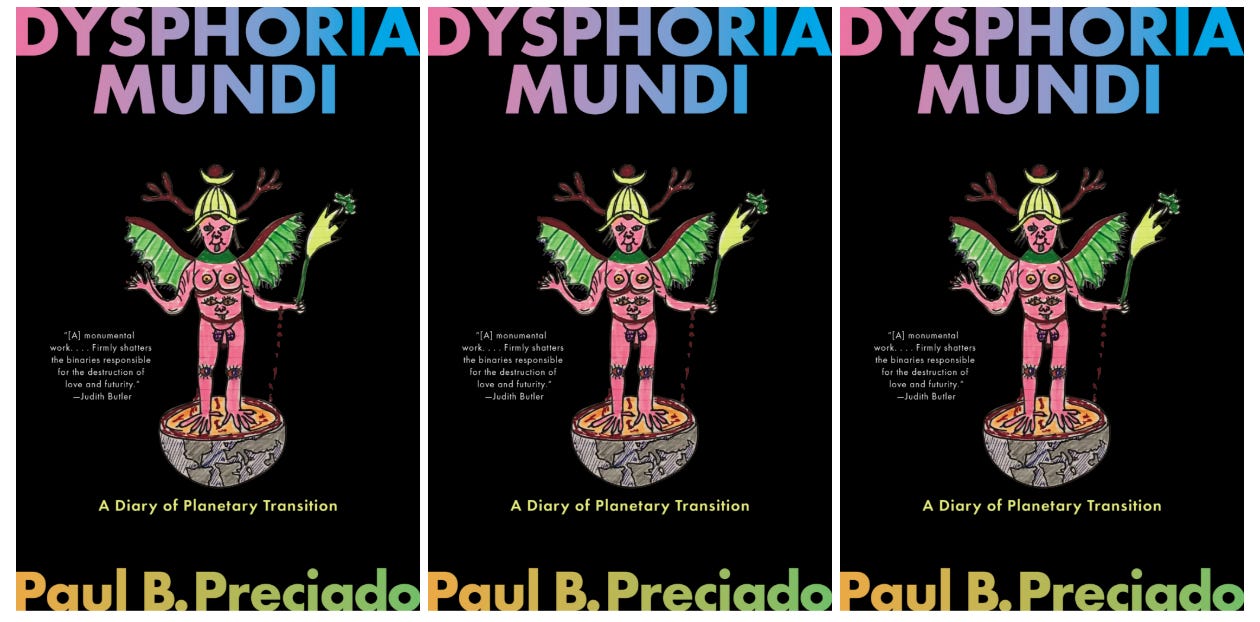
A fever-dream manifesto for a world in convulsion. Preciado diagnoses the planet not with collapse, but with dysphoria, a profound bodily and political transition where old genders, states, and certainties are dying, and something radically new, collective, and mutant is struggling to be born.
2) Love in a Fucked Up World: How to Build Relationships, Hook Up, and Raise Hell Together (2024) by Dean Spade
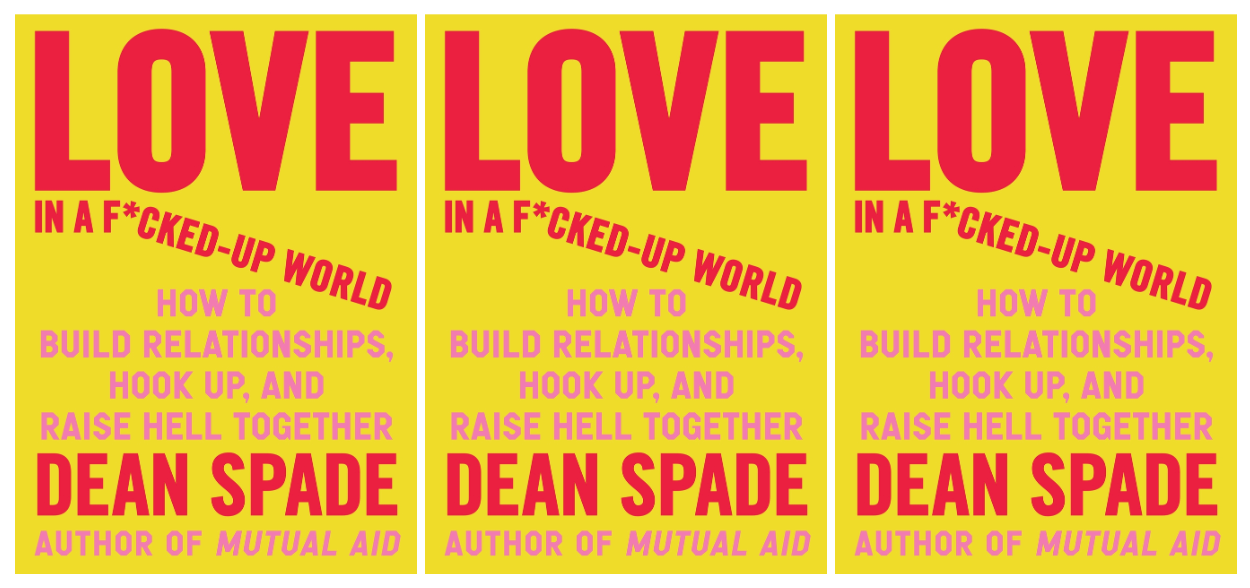
Spade moves beyond critique to a practical, gentle, and radical workbook. It’s about transforming how we relate: to partners, friends, comrades, as the essential groundwork for collective liberation. In a burnt-out, transactional hellscape, this is a guide to building the resilient, mutual-aid-based relationships that make long-term struggle possible and worthwhile.
3) Don’t Talk About Politics (2025) by Sarah Stein Lubrano
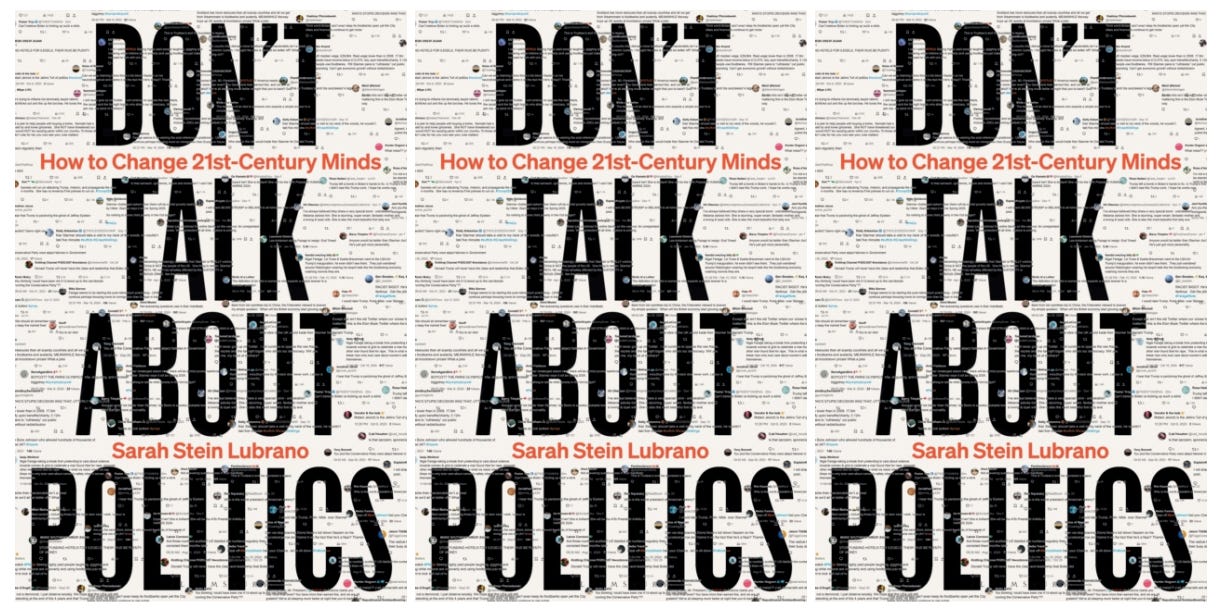
In an era of performative call-outs and brittle ideological silos, this is a masterclass in the craft of strategic conversation. Drawing on rhetoric and psychology, it’s a toolkit for actually changing minds, building bridges where dogma builds walls, and making your words a lever for material change, not just social signalling.
4) How NOT to Save the World (2026) by Anthea Lawson
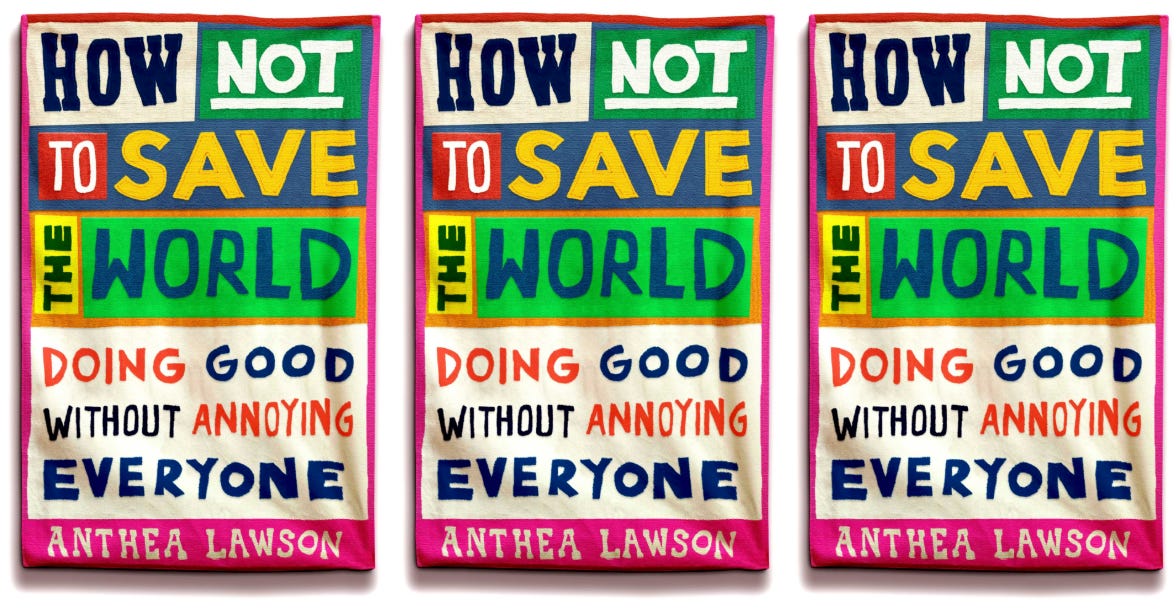
A devastating, meticulously reported exposé of the white-saviour industrial complex. Lawson dismantles the myths of benevolent aid and “ethical” consumerism, revealing how they often reinforce global inequality. It’s a call for humility, solidarity over charity, & a politics of genuine global justice that starts with seriously deep listening.
5) One Day, Everyone Will Have Always Been Against This (2024) by Omar El Akkad
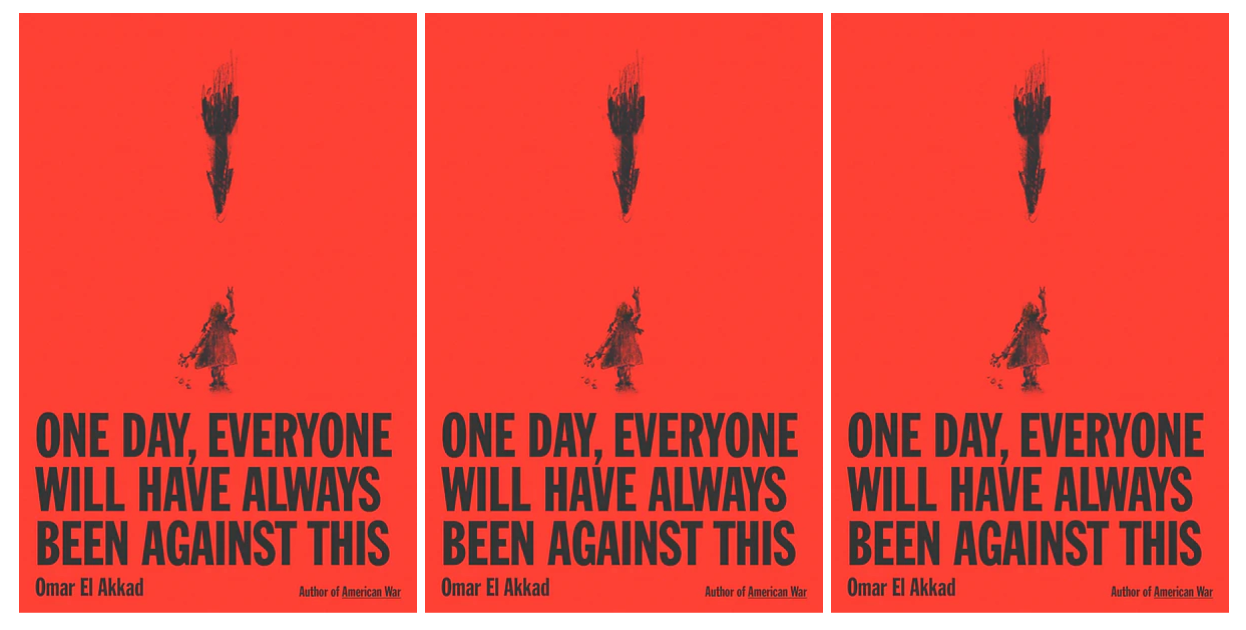
A haunting, speculative essay on memory, complicity, and the rewriting of history. From the climate crisis to forever wars, El Akkad probes the coming amnesia, asking how future generations will judge our present-day passivity. It’s a gut-punch designed to provoke action before the moral ledger is conveniently erased.
6) Radical Justice: Building the World We Need (2026) Nani Jansen Reventlow
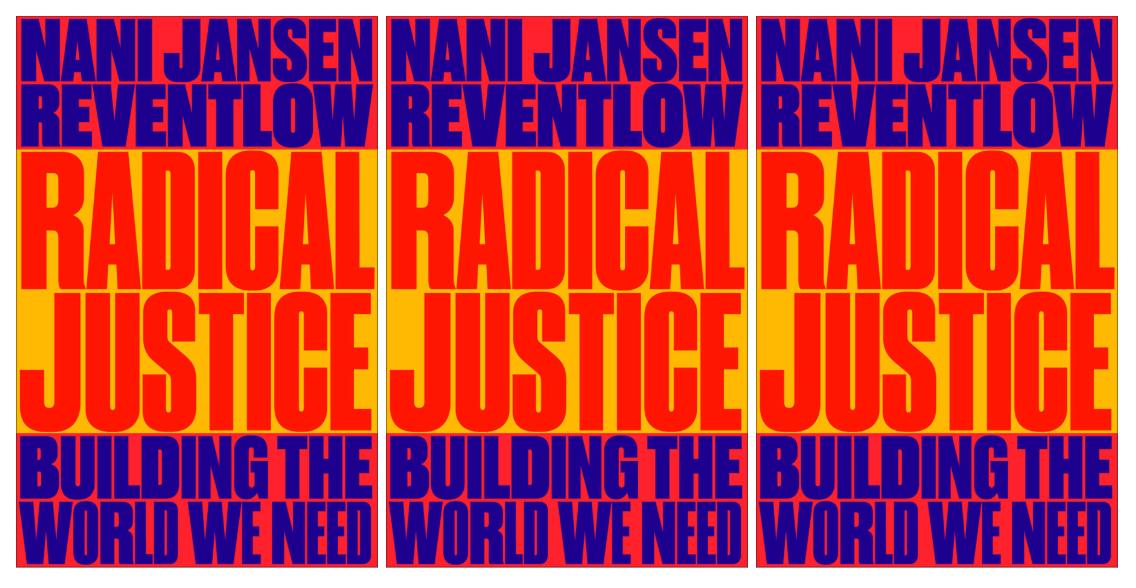
Accountability ain’t enough, this is a blueprint for transformation. Reventlow smashes the courtroom glass ceiling to argue that true justice isn’t punitive but reparative, weaving together law, activism, and imagination to show how we can build systems that actually heal, rather than simply cage and harm.
7) The Cancer Journals (1980) by Audre Lorde

In our age of sanitized, “awareness”-branded illness and performative wellness, Lorde’s raw, furious, and transcendent account of living with breast cancer is more revolutionary than ever. It’s a masterwork on weaving personal trauma into political power, refusing prosthesis, and speaking the unpretty truth of the body as an act of war.
8) Exocapitalism (2024) by Marek Poliks & Roberto Alonso Trillo
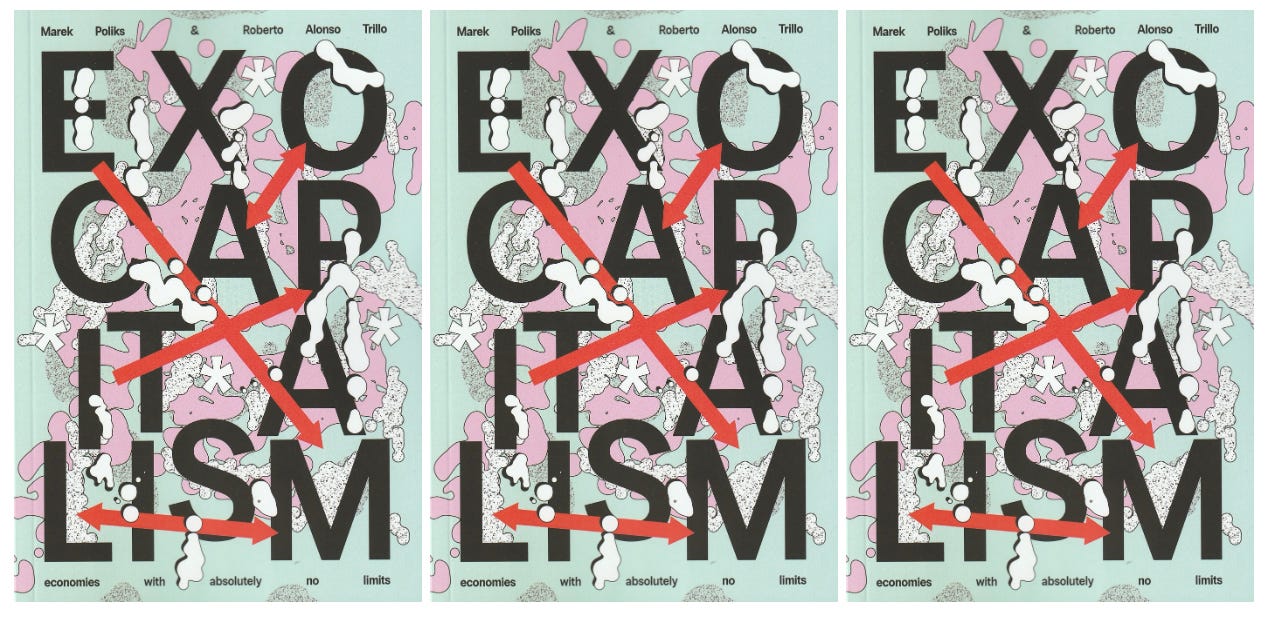
The most dystopian and compelling economic theory you’ll encounter this year. Exocapitalism is the logical endgame: a system that has fully externalized its costs onto a destroyed planet and now looks to space for new frontiers of extraction. A stark, philosophical lens for understanding the suicidal logic of infinite growth.
9) On Lying and Politics (2024) by Hannah Arendt
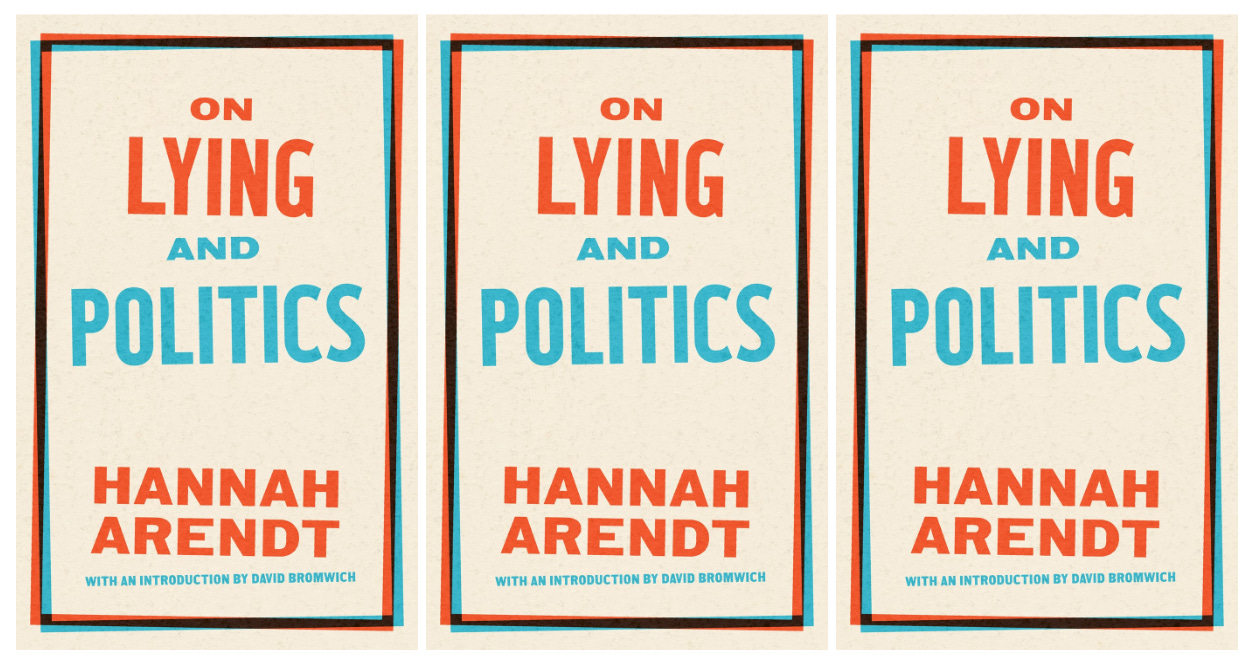
A newly curated selection of Arendt’s most prescient writings on truth, power, and the political lie. In our post-truth vortex of deepfakes and stochastic terrorism, her analysis of how totalitarianism begins with the annihilation of factual reality is not just relevant, it’s the operating manual for defending a shared world.
10) Love and Money, Sex and Death (2023) by McKenzie Wark

A trans elder’s kaleidoscopic memoir that is also a work of critical theory. Wark weaves personal transition with sharp critiques of capital, academia, and art, offering a new vocabulary for a life lived across binaries. It’s about constructing a self, and a politics, from the fragments left behind by collapsing institutions.
11) Against Purity: Living Ethically in Compromised Times (2016) by Alexis Shotwell
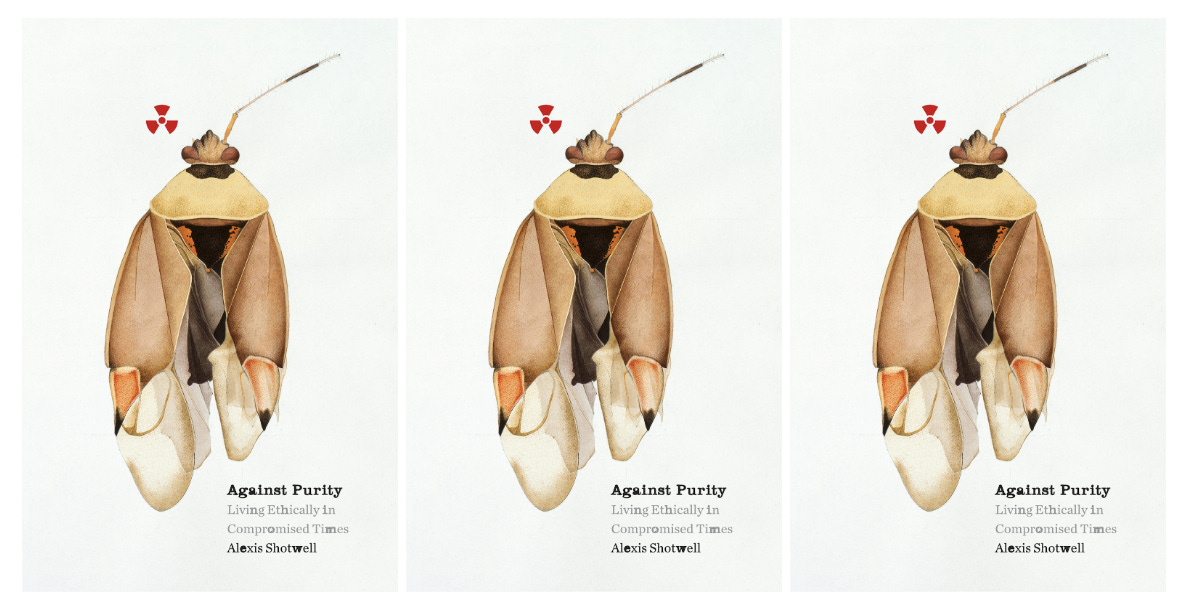
A blistering takedown of the quest for moral perfection. Shotwell argues that waiting for a “pure” choice is a luxury we can’t afford; instead, she shoots for embracing complexity, imperfection, and action within a messy world, showing that ethics aren’t about being blameless, but about taking responsibility for the mad entanglements we’re already in.
12) Novacene: The Coming Age of Hyperintelligence (2019) by James Lovelock
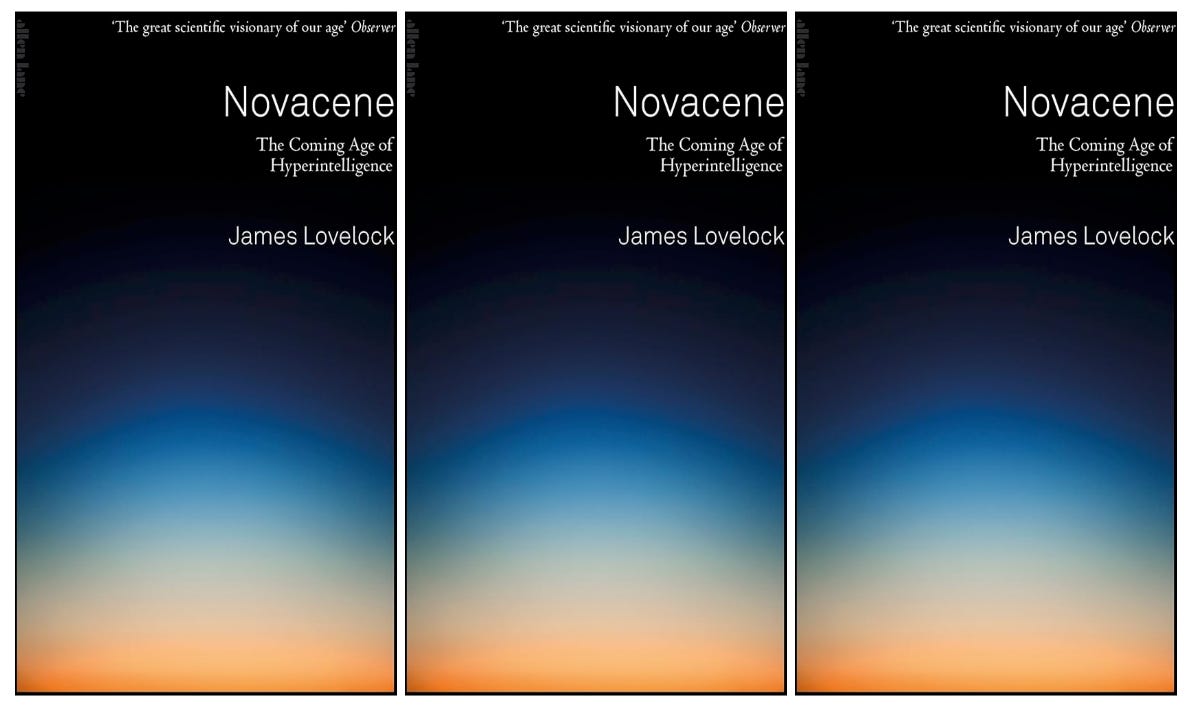
Forget cozy solarpunk. The Gaia hypothesis originator offers a mind-bending, unsentimental prophecy: the Anthropocene is already ending, giving way to an era where our AI creations, cooler and smarter, become Earth’s true stewards. A crucial, humbling read for anyone crafting politics for a post-human future.
13) In Defence of Looting (2020) by Vicky Osterweil
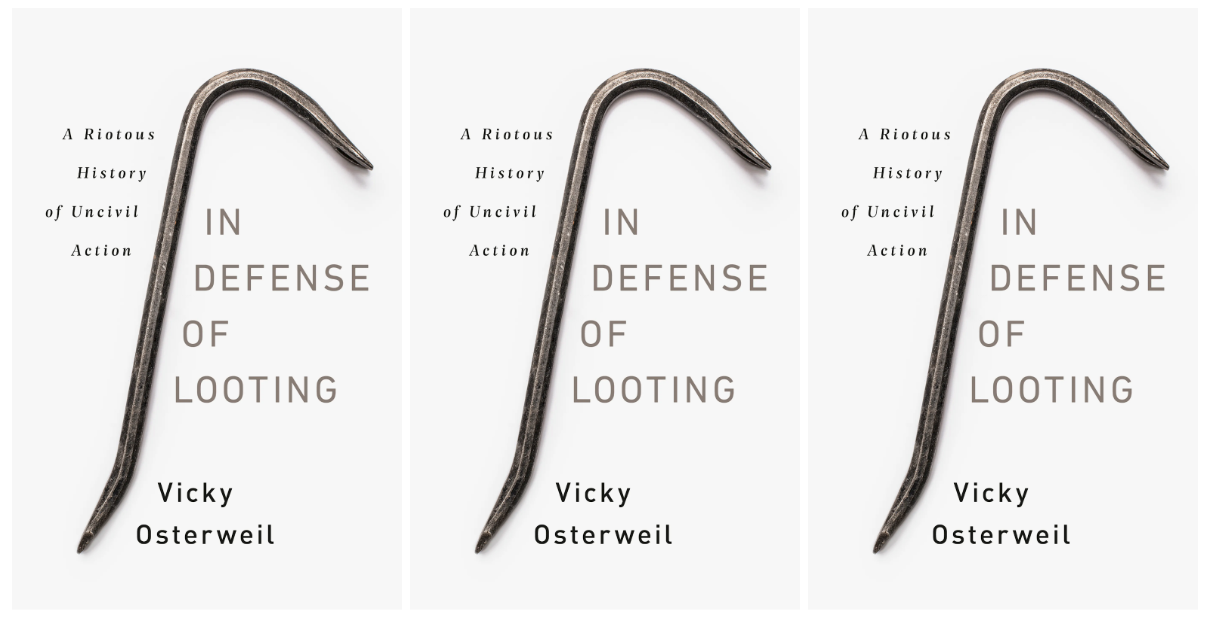
A fiercely polemical and rigorously historical rebuke to the politics of respectability. Osterweil reframes looting not as mindless chaos, but as a strategic, redistributive, and deeply effective tactic of riot that strikes at the heart of property, the foundational institution of racial capitalism. Essential for debates on tactics, violence, and what “disorder” really protects.
And there you have it folks. For those with still attention spans intact, just start somewhere, don’t overthink it, trust your gut, one of these books must have piqued your interest if you made it this far. Just go for it, dive in, reading begets more reading, and if that proves to be a valuable ride, come back to this list and pick another. Finished already? Then check out last year’s reading list 🙂 If you think I missed out on something major, comment below so i add it to the next list or drop me a line at: ivan@guerrillafoundation.org happy bookworming! 😉