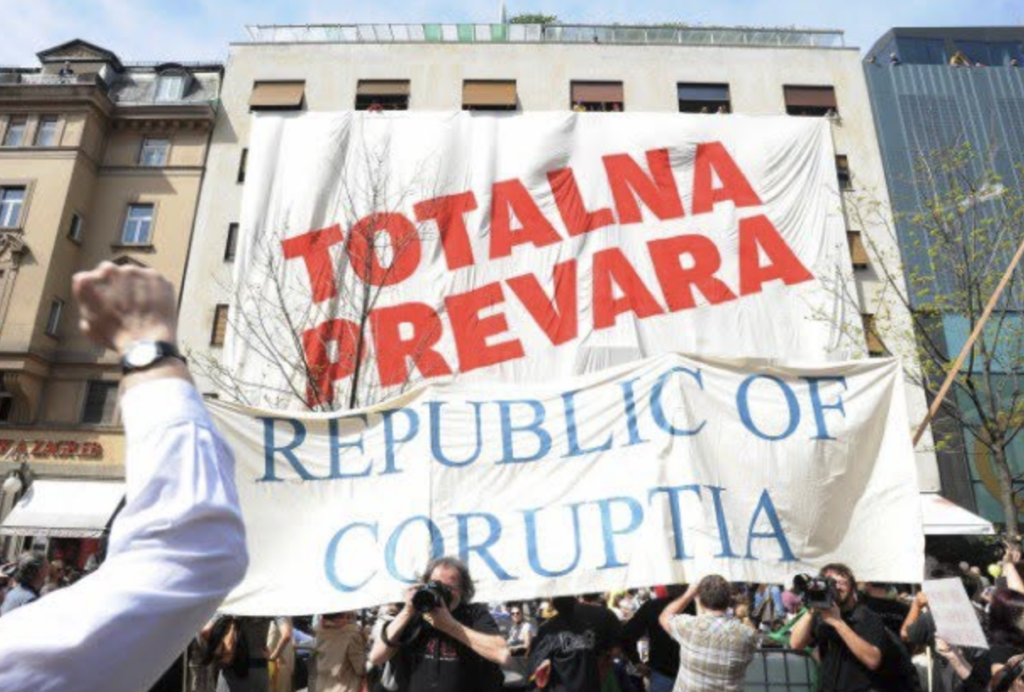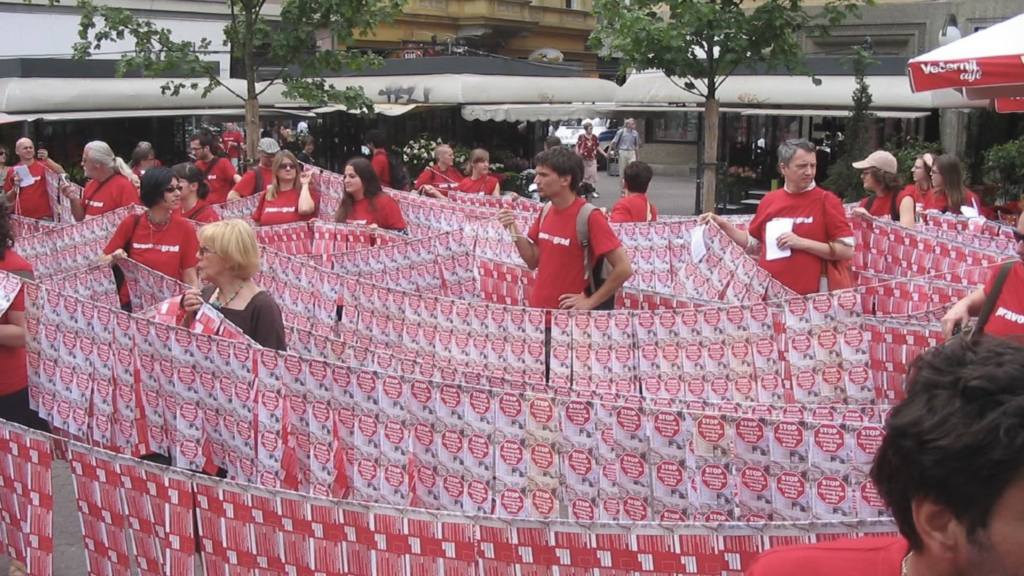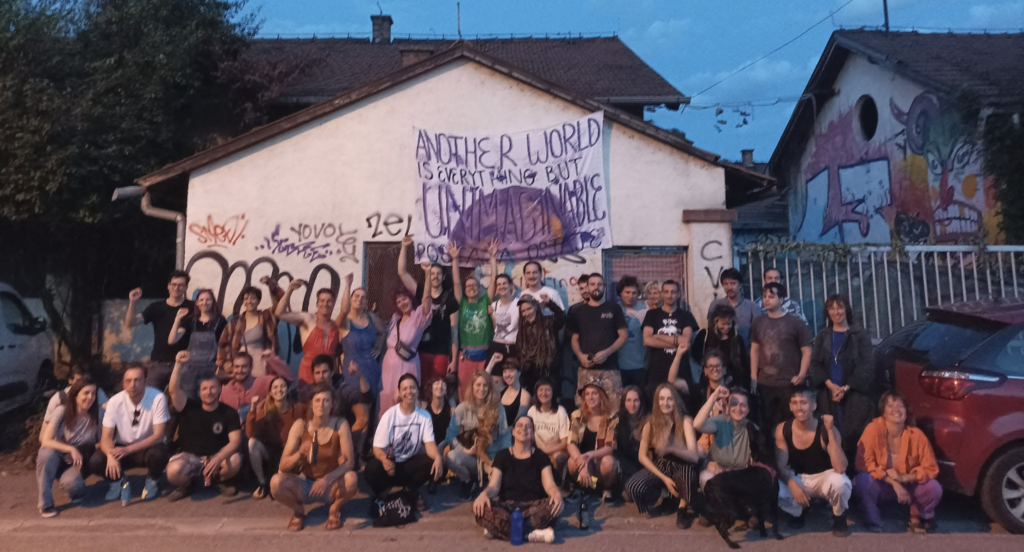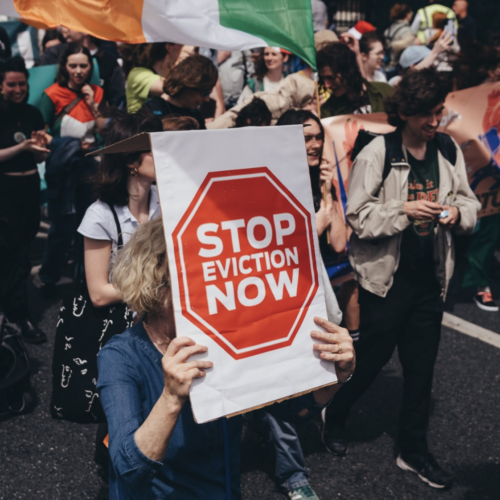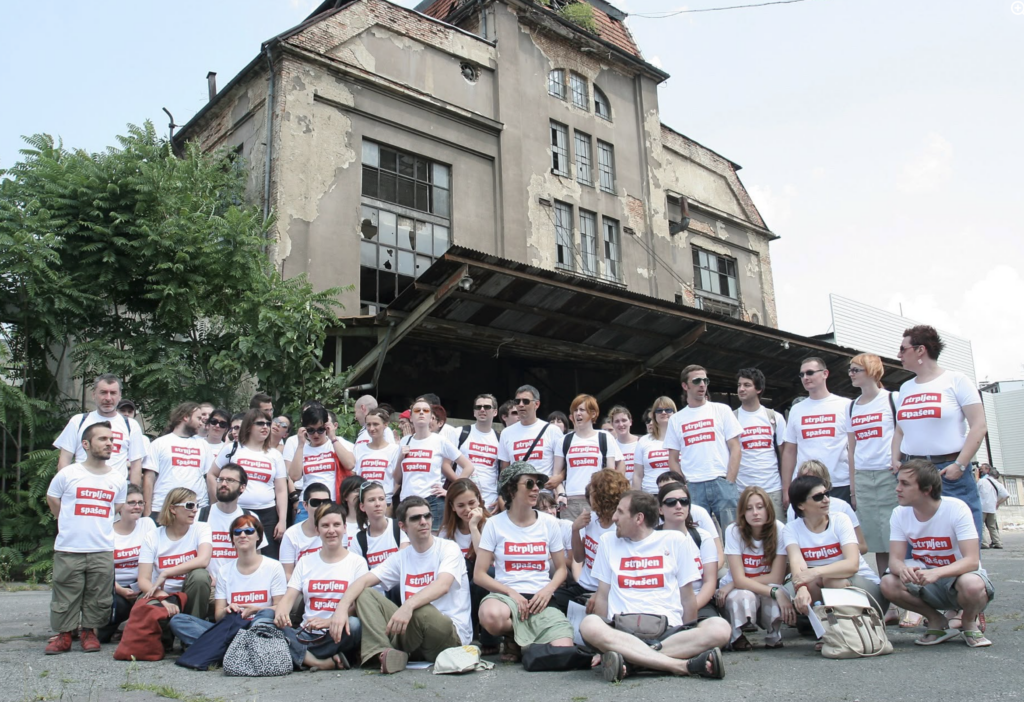
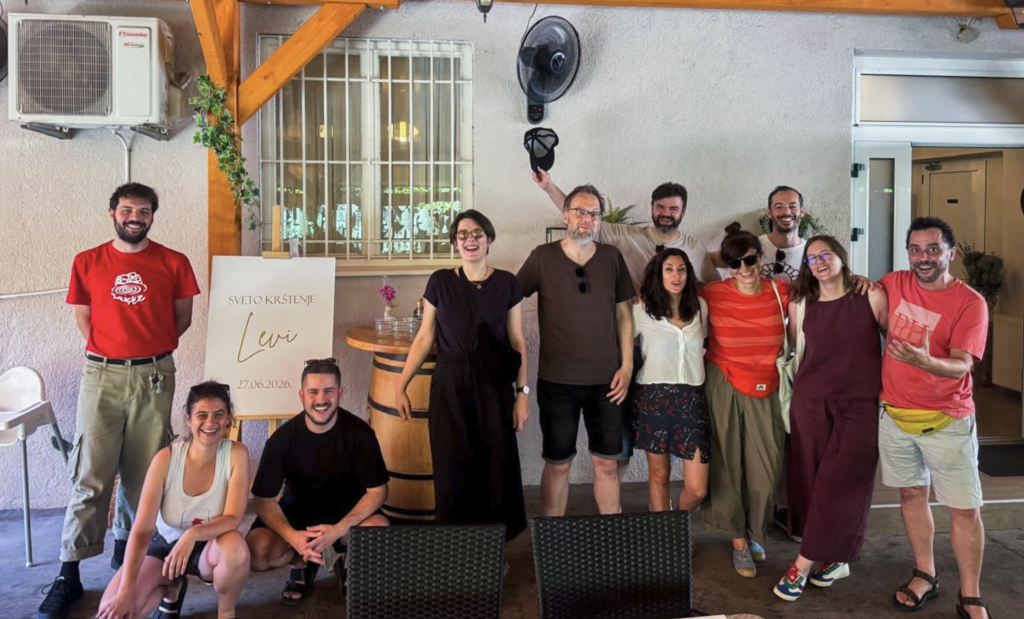
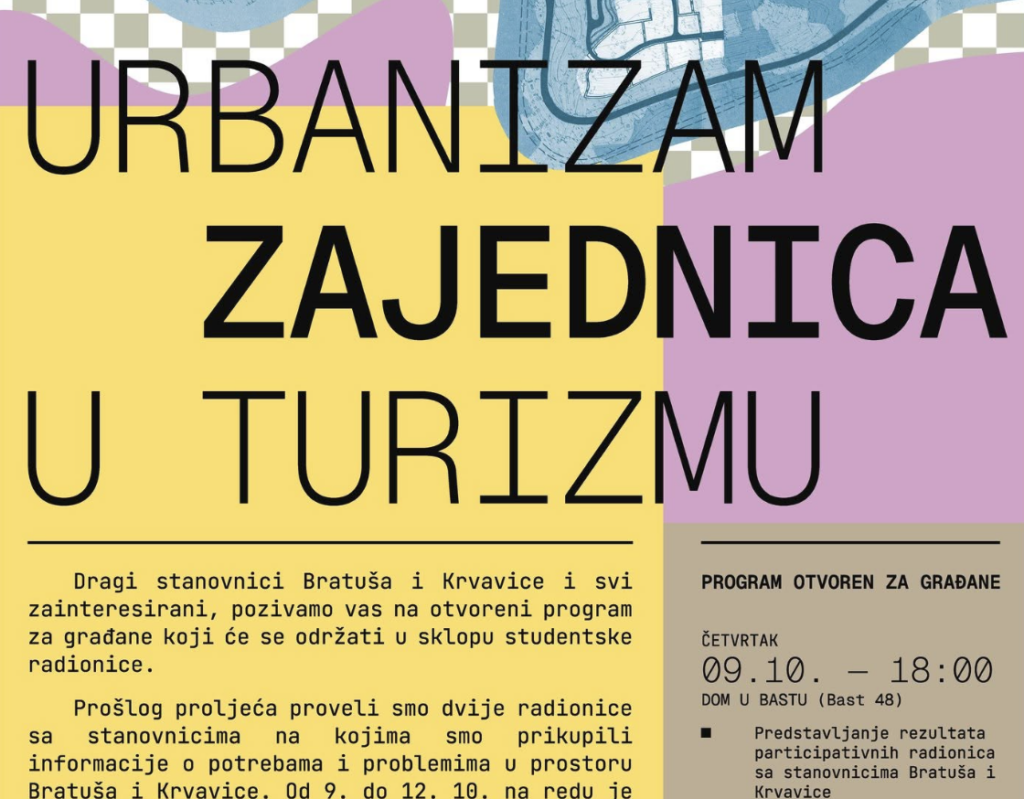
Based in Zagreb, Pravo na Grad (Right to the City) is a grassroots organisation of urban planners, architects, and activists that has spent over a decade fighting for housing justice and spatial democracy in Croatia. The organisation operates in a context of accelerating gentrification, state-led privatisation of public coastlines, and a wave of legislative reforms, including Croatia’s first National Housing Policy Plan and the Affordable Housing Act, that threaten to lock in speculative development and exclude marginalised communities for the next decade. Pravo na Grad works at the intersection of policy advocacy and community organising, monitoring legislative processes while empowering residents in neighbourhoods like Peščenica, a low-income area with a significant Roma population facing displacement, and villages like Krvavica, where the state is privatising the coastline, cutting off local communities from their only public space. The organisation is undergoing a generational transition, with younger members joining and transforming internal dynamics, while facing the sharp rise of fascism in Croatian public spaces, increasingly supported by government actors. Despite these pressures, Pravo na Grad maintains a collaborative, consensus-based decision-making structure, with a gender-balanced team of four staff from diverse generations and regional backgrounds, supported by a broader membership of up to 30 active individuals. Their work is inseparable from a dense ecosystem of alliances: close collaboration with sister organisation Zelena Akcija (Green Action), fiscal mentorship of emerging groups like Društvo i prostor, and active membership in the European Action Coalition for the Right to Housing and the City. Through these networks, Pravo na Grad understands its local struggles as part of a transnational fight against financialisation and for the right to the city.
The Guerrilla Redistribution
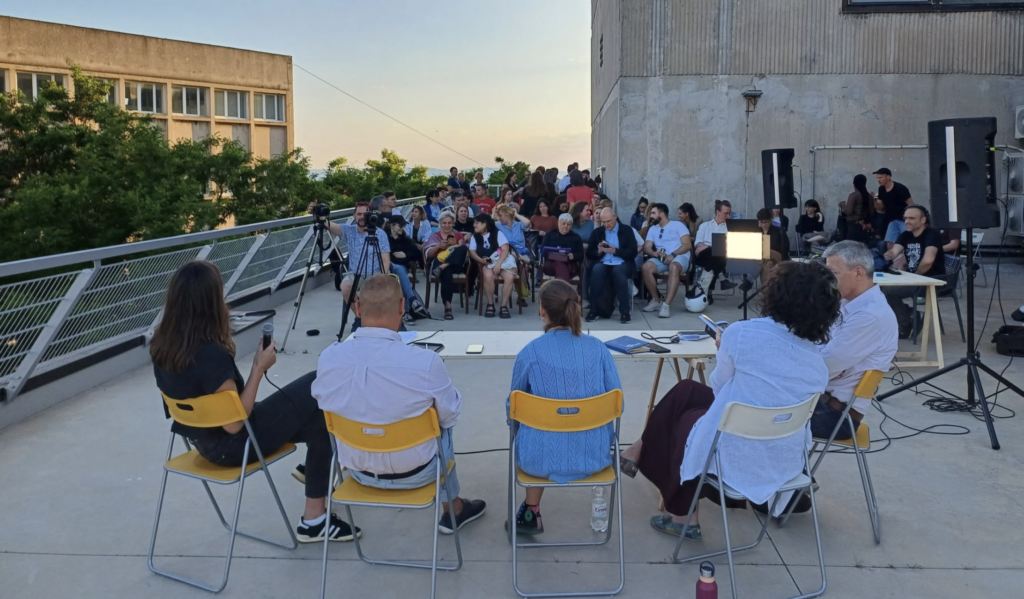
Our funding will sustain and deepen Pravo na Grad’s work across three interconnected strands: housing justice monitoring, support to local citizen initiatives, and organisational consolidation. In the first strand, the money will cover personnel costs to systematically monitor the wave of legislative reforms, ensuring that the voices of marginalised communities, particularly migrant workers, women in precarious housing, and young people from disadvantaged backgrounds, are heard during consultation processes. This includes the field-based dissemination of 400 copies of a “Manual for Migrant Workers” in English, Nepali, and Filipino, alongside a structured online survey and qualitative data collection on migrant housing experiences, building a bottom-up evidence base to counter discriminatory practices. In the second strand, the funding will support the finalisation and dissemination of community-generated planning guidelines from Peščenica’s participatory workshops, and the preparation of advocacy materials from Krvavica’s community processes, materials that will raise awareness and amplify residents’ voices in local and national media, protecting public spaces from privatisation. In the third strand, the funding will enable a two-day strategic planning event to facilitate intergenerational knowledge exchange, clarify roles, and develop a renewed organisational strategy in response to the rise of fascism, including exploring the possibility of hosting the next European antifascist movement gathering in Zagreb. Quantitatively, success will be measured through the adoption of community-informed proposals in legislative processes, the reach of advocacy materials, media coverage, and strengthened internal alignment; qualitatively, through feedback from communities who feel heard and empowered, and a more resilient organisation capable of sustaining long-term engagement. In a moment when state institutions are unresponsive and funding for housing justice is shrinking, this grant allows Pravo na Grad to consolidate its role as a leading housing justice organisation in Croatia, not for visibility’s sake, but to build the durable capacity needed to shape housing frameworks so that they serve residents, not speculative interests, and to stand in solidarity with communities fighting for the simple right to remain, to belong, and to live with dignity.