The Association of Independent Creators and Activists GETO (in Bosnian, Udruženje nezavisnih stvaralaca i aktivista – UNSA – Geto) is a grassroots organisation active in Bosnia and Herzegovina since 1999. They have a clear mission: to develop cultural programmes that activate citizens’ critical thinking and build social fabric, to empower the civil sector with a focus on marginalised youth, and to make human rights visible through art and activism.
Knowing that change happens at the pace of relationships and community building, this crew is creating the social infrastructure that can scaffold the movement for political transformation to flourish. For more than 25 years, UNSA Geto has shepherded a platform for creative expression and solidarity in Banja Luka where ideas come alive. Through political education and cultural programmes, UNSA Geto has become a crucial actor in the independent artivist scene in their city, and a socio-cultural hotspot in Bosnia and Herzegovina and the region at large.
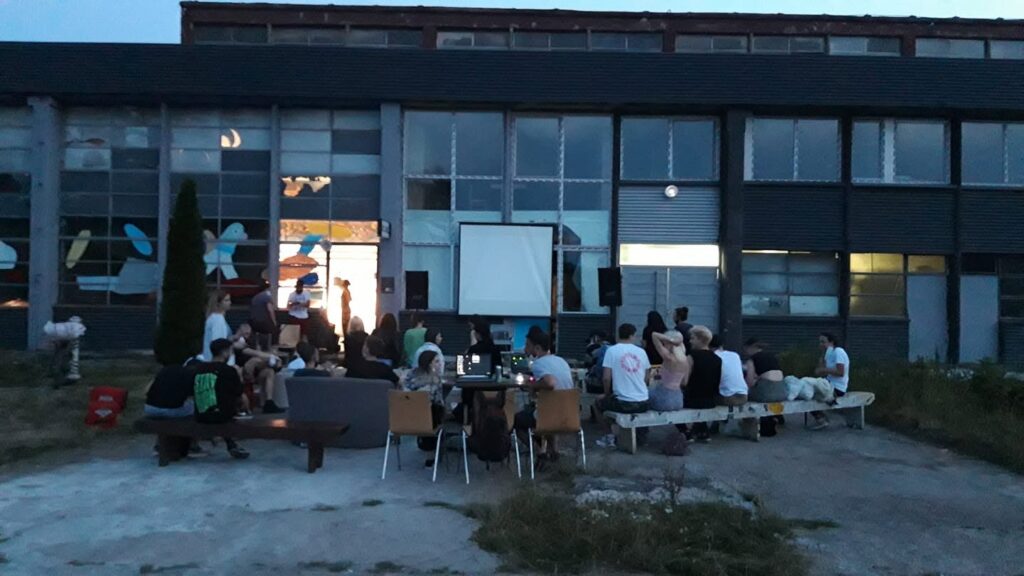
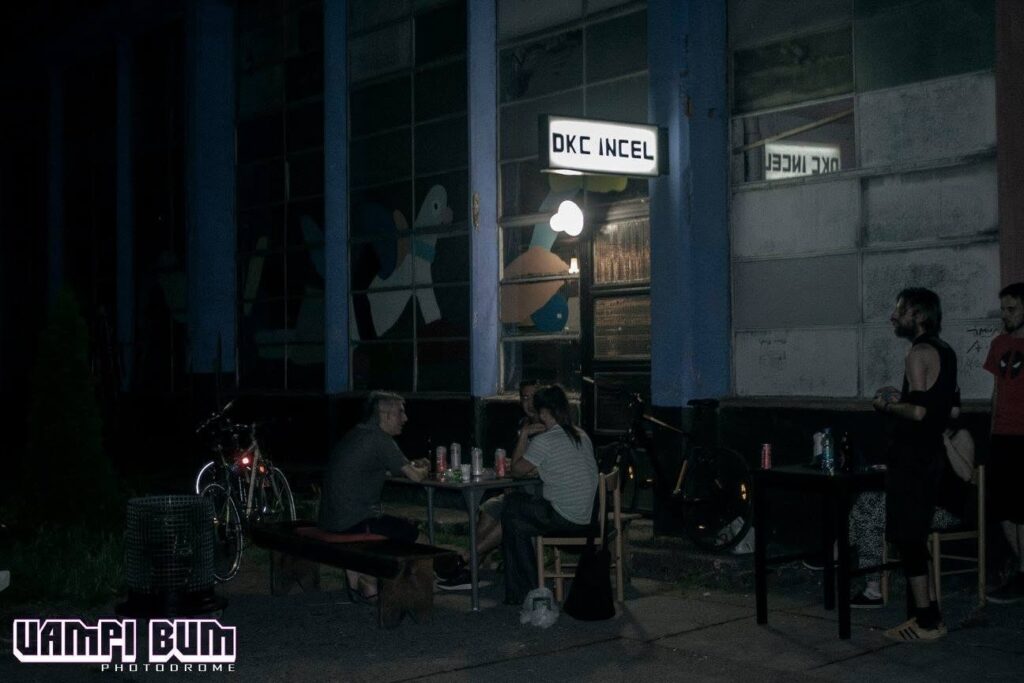
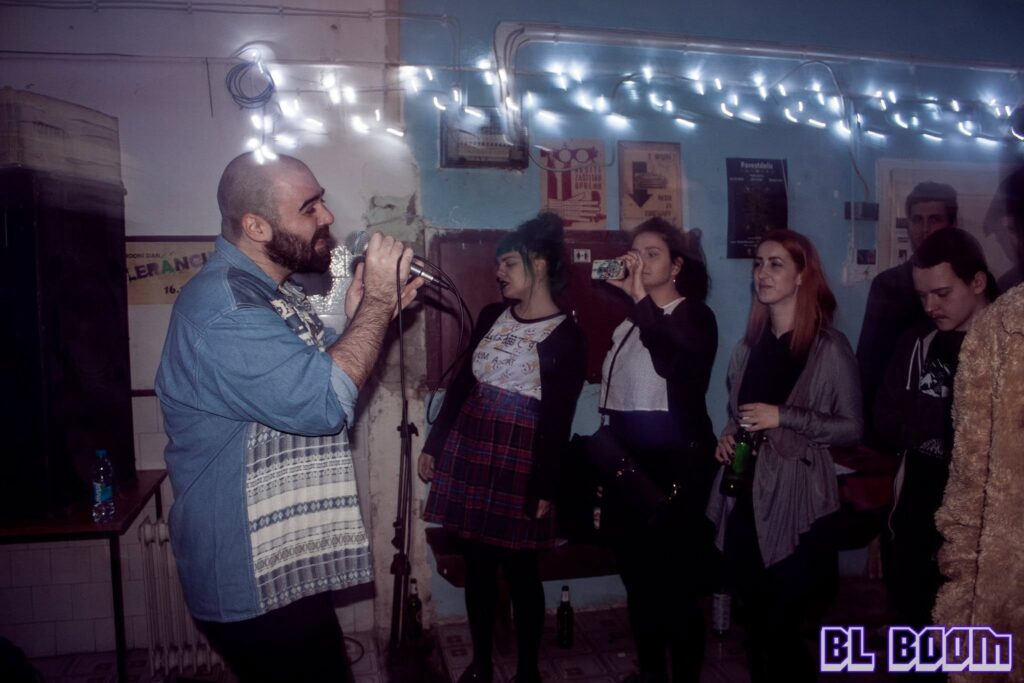
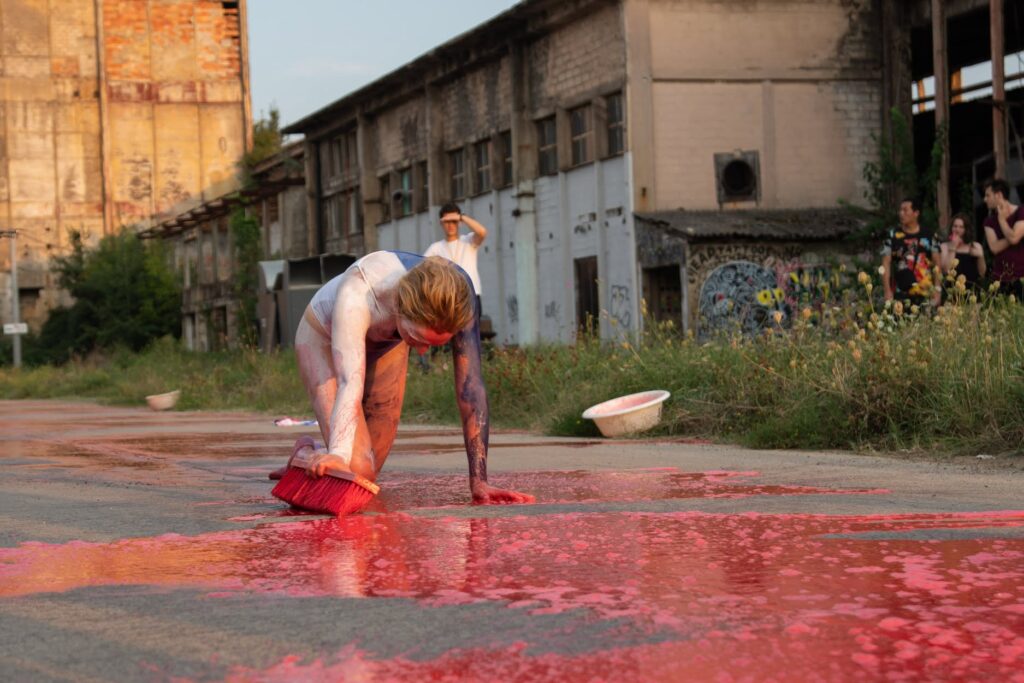
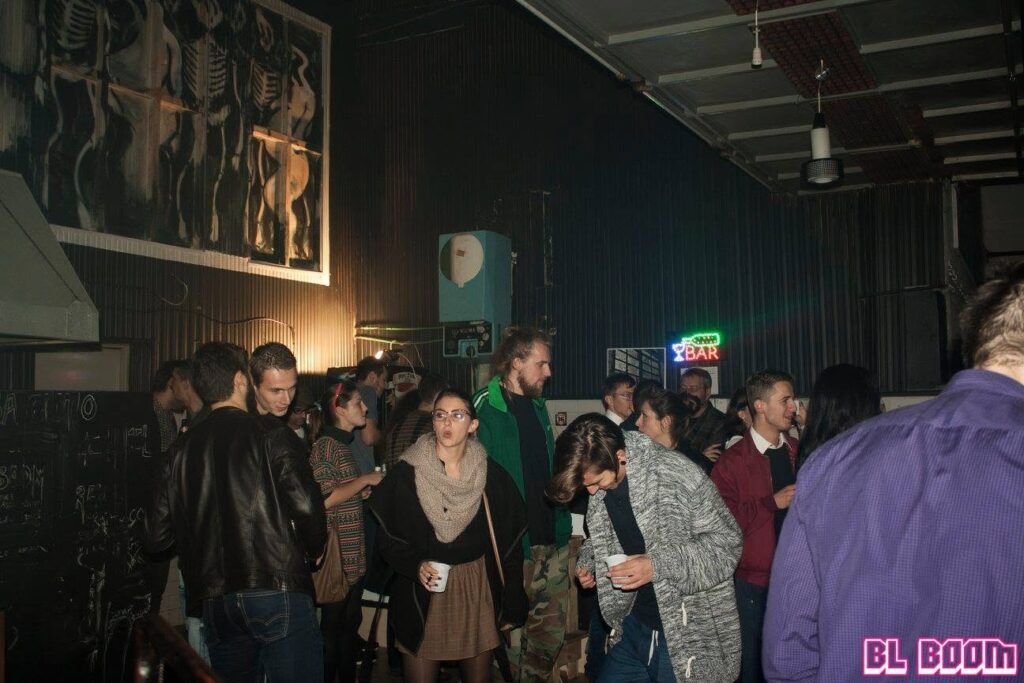
Particularly since 2013, they have been managing the Socio-Cultural Centre Incel (DKC Incel) – a unique space located within the grounds of the former industrial giant INCEL. DKC Incel is an open and free space for all of those who believe in the importance of radical action, independent thought and social engagement. DKC Incel has become a refuge for creators, collectives, organisations, and young marginalised people from diverse backgrounds to convene, explore and co-create together. By opening their space as a commons to local activists, artists and interested civil society groups, they are at once allowing activists to explore new mobilisation tactics all the while sparking active citizen engagement.
The Guerrilla Redistribution
Last year, UNSA Geto faced an existential threat. After the suspension of international financial support and the introduction of a new, restrictive Law on the Registration and Transparency of Nonprofit Organisations in the Republic of Srpska, the group faced a lot of legal blockages, which could lead to a ban on their operations and the closure of their space. This would mean that several generations of groups and individuals who had been using the DKC Incel space for strategy, experimentation and community activation would no longer have a safe place to do so.
Given the context, we supported the group with core funding. Namely by strengthening their internal capacities to enable the stable, professional, and continuous operation of the centre by renewing its audio, video, and lighting equipment. This allows them to safeguard recording, performing, and archiving programmes such as workshops, educational activities, public discussions and small festivals. This equipment is critical, not optional, without it, many programmes cannot operate professionally or continuously. Renting equipment repeatedly increases costs, limits the autonomy of the centre and makes them dependent on commercial spaces, which directly impacts the resource pie for grassroots initiatives to develop projects.
Currently, DKC Incel hosts over 150 young participants in workshops, 20 local and regional collectives, and more than 1,000 festival and public event visitors annually. Without new equipment, many of these programmes cannot be conducted at a professional level. Through educational workshops for audio and video production and post-production, young people and interested citizens are gaining practical skills and can independently design social and artistic programmes. This is why supporting DKC Incel means strengthening participation, critical thinking, and community resilience in Banja Luka and Bosnia and Herzegovina.