The Feminist Collective of Romani Gender Experts is a transnational network of 20 Roma women professionals spanning diverse disciplines, including law, social work, academia (PhDs, researchers, professors, and students), psychology, gender equality, and grassroots leadership. Their membership spans across geographies, namely Serbia, Romania, Spain, Germany, Poland, Bosnia & Herzegovina, Hungary, and Brazil. Founded in 2022 as a horizontal, interdisciplinary network that values collaboration, participaatory decision-making, and shared leadership, the Collective was officially registered in Romania in 2024. Their impetus was to respond to the systemic marginalisation and exclusion of Roma women in the labor market, decision-making spaces, and academia, both within feminist and anti-racist movements as well as the Roma advocacy landscape at large. Grounded in feminist, anti-racist, and intersectional values, they aim to dismantle structural inequalities and elevate the voices, leadership, and expertise of Roma women and girls globally. Unlike traditional organisations, they are a collective that builds power from the ground up, ensuring Roma women are not just included but are leading the organisation.
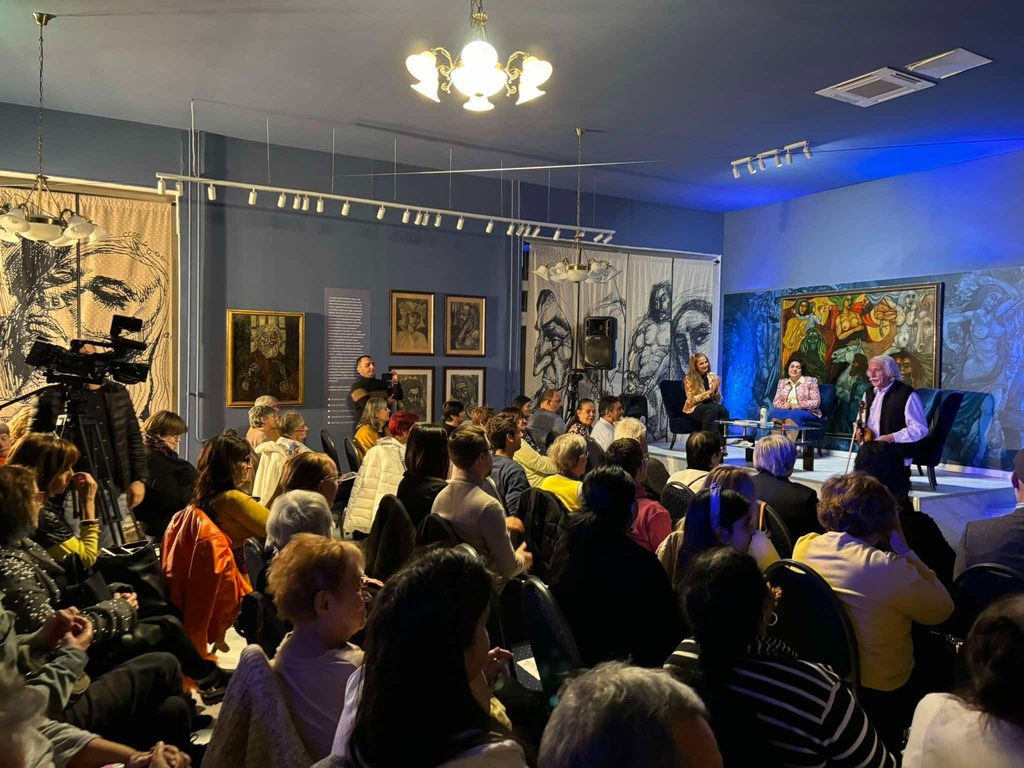
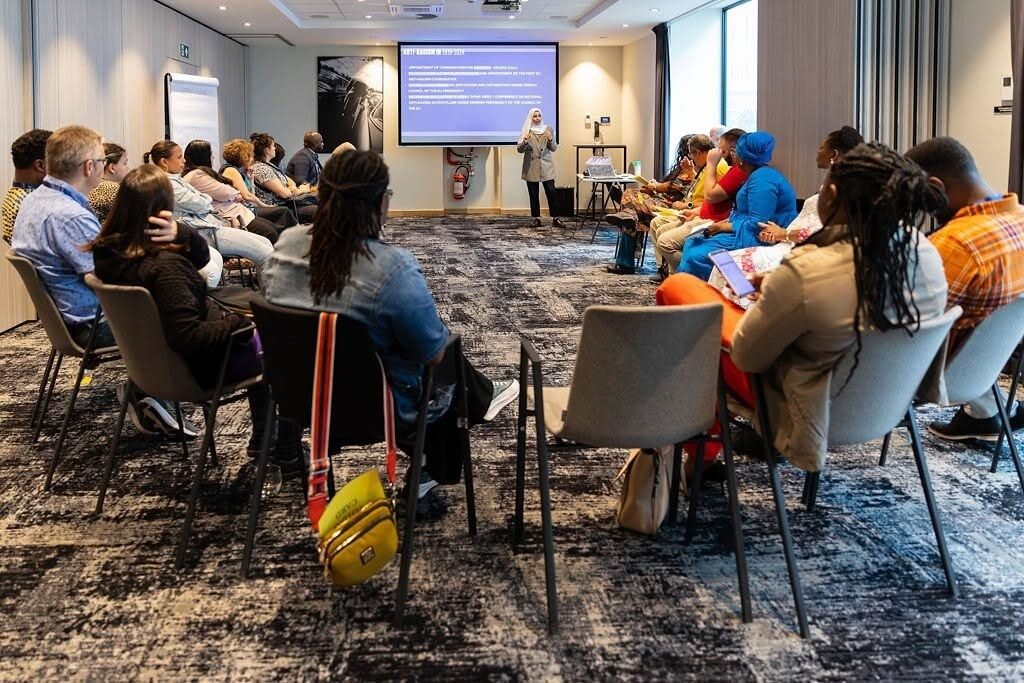
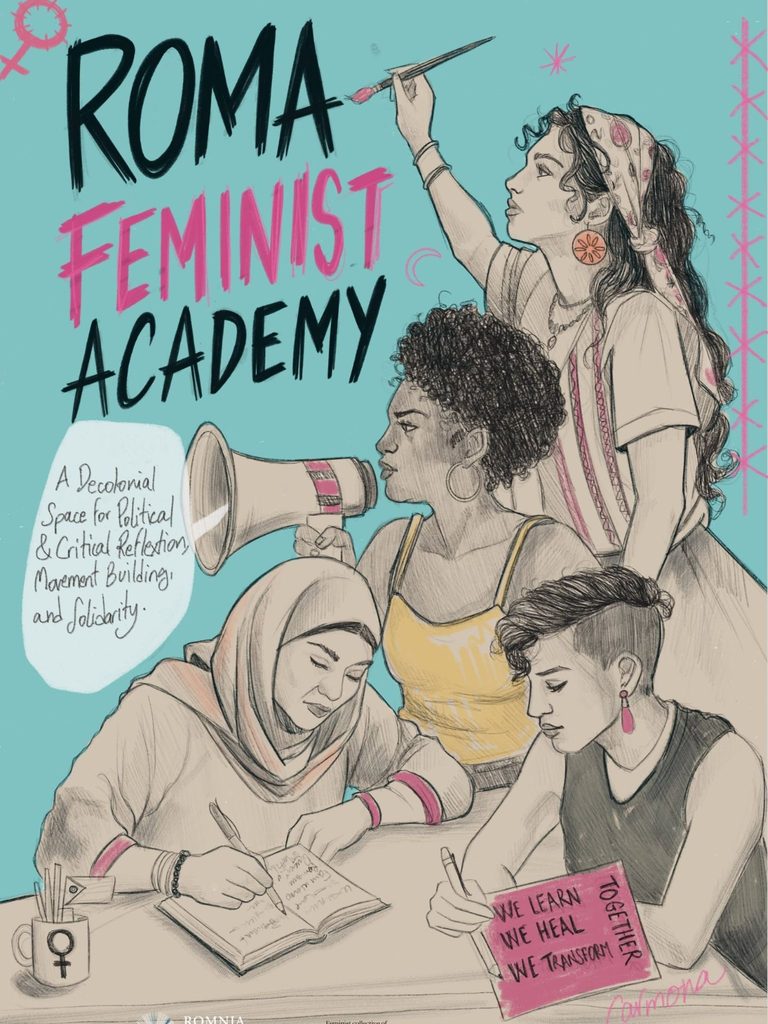
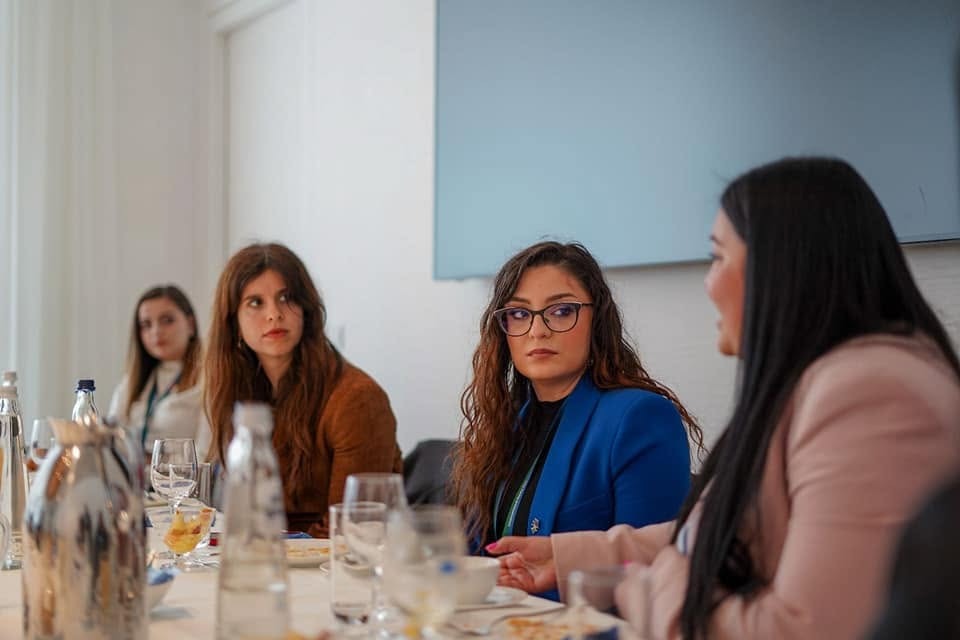
Their organization actively engages in advocacy at international and European institutions, as well as within civil society networks. They have participated in key discussions in UN Women conferences, specifically on issues like Addressing Work and Descent-Based Discrimination Against Women or on Violence Against Women in Politics. They understand these institutional spaces as instrumental to their fight, since they see a feminist, and female-led perspective missing in wider Roma advocacy close to these institutions. They thus really focus on getting a seat at the table to shape public debate that can inform policy, representing Roma women’s rights in consultations with the Council of Europe’s newly appointed Commissioner for Human Rights during Standing Up for the Rights of Roma and Travellers in the Council of Europe Area, and advocating for Roma women and youth as agents of change. Besides this advocacy work, they strengthen their movement via capacity building, providing a range of workshops designed to strengthen both internal and external capacities of their movement. Their initiatives are shaped by the needs of the community, ensuring that the topics covered are relevant and impactful.
The Guerrilla Redistribution
With Guerrilla’s support, they aim to continue doing what they do best: empower Roma women and girls and dismantle systemic oppression through capacity-building workshops and community-driven advocacy. Namely, they will conduct 10 workshops that map the evolving needs of Roma, thanks to their members’ grassroot work in communities. The workshops will focus on strengthening grassroots organizing skills for Roma women activists, expanding strategies of resistance against racial profiling, police violence, and digital surveillance, and equipping Roma women with tools to counter cyber violence and misinformation.
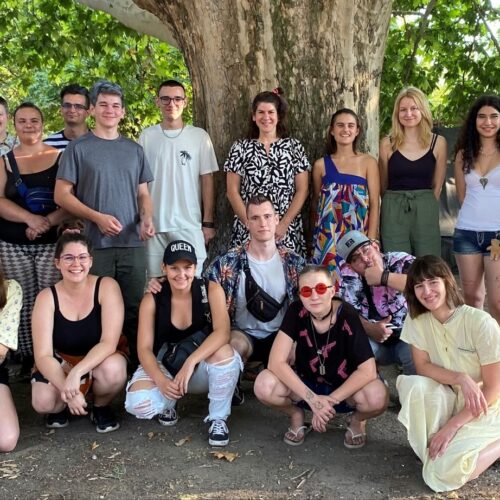
Additionally, this funding supported them to organise one in-person meeting for their members to shares experiences and lessons learned for the next round of advocacy and outreach work. All of these activities are meant to not only build knowledge and resilience within the community but also to mobilise Roma women into bold action and systemic change. The discussions, reflections, and strategies emerging from these workshops directly feed into their advocacy work, enabling them to craft and advocate for concrete policy shifts that center Roma women’s rights and needs.