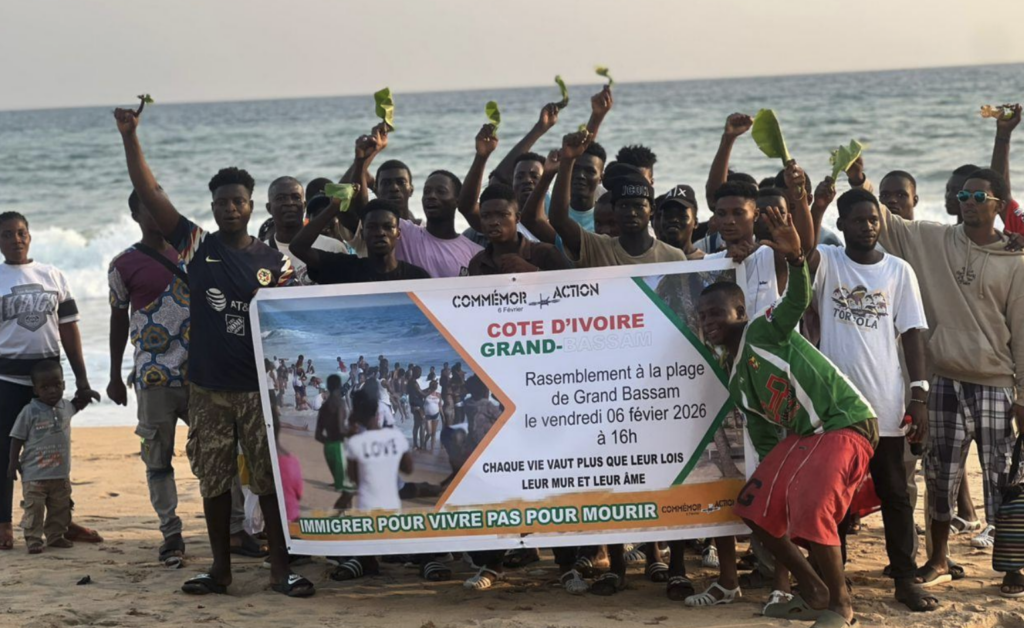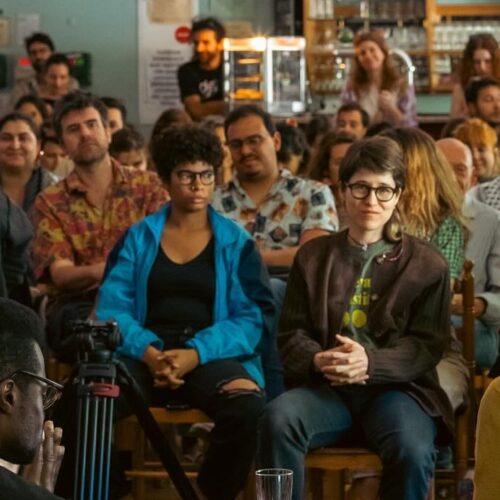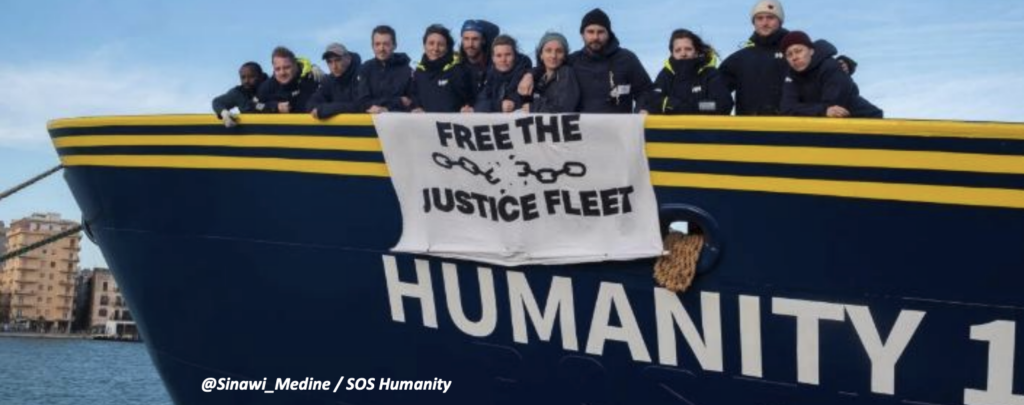
Based in the heart of Palermo, Maldusa is far more than a rented room, it is a living, breathing ecosystem of migrant-led mutual aid and transfeminist resistance. Co-run by the Baye Fall community of Senegalese and Gambian diaspora activists, the space has become a vital reference point for self-organised migrant groups, transfeminist collectives, and grassroots movements ranging from the Network Against Migrant Detention to Palestine solidarity groups and the Assembly Against Overtouristification. Since 2023, Maldusa has functioned as a daily hub where people on the move, activists, and local families converge not just to organise, but to simply inhabit the space, sharing coffee, playing cards, and building the kind of warm, durable relationships that institutional solidarity rarely fosters. The context in which it operates is brutal: Palermo is a frontline of Europe’s border regime, a city where racialised people face constant criminalisation, housing exclusion, and the daily grind of navigating a hostile legal and welfare system. Against this backdrop, Maldusa refuses both despair and the “white-saviour” model, centering instead a politics of migrant-to-migrant solidarity, with a migrant-led help-desk, a community radio (Radio Alqantara), anti-racist children’s libraries, and informal support for comrades in prison or freshly released from detention centres, all woven together by an uncompromising abolitionist and no-border ethos.
The Guerrilla Grant
The funding from the Guerrilla will secure the very sinews of this space: covering a full year’s rent and the salary for one paid position, crucially reserved for a person with a migration background who also requires a formal contract to stabilise their immigration status. This is not flashy project funding, it is core infrastructure, the kind of labelled-unsexy but indispensable support that keeps the doors open and the kettle on. By underwriting these basic costs, the grant allows Maldusa to continue its daily rhythm of assembly, care, and political education without the constant existential anxiety of eviction or the collapse of its only full-time organiser. It enables the space to host weekly assemblies where power dynamics are openly named and consensus-based decisions are made, to run community courses from a no-border transfeminist perspective, and to offer a children’s space that doubles as a lifeline for single parents juggling multiple jobs. Beyond the receipts and payslips, success will be measured in the most tangible of ways: in the faces of families who keep coming back, in children’s hand-painted decorations on the walls, in the steady stream of podcasts from Radio Alqantara, and in the quiet dignity of a space where, every day, people who are locked out of housing and official channels can find not just advice, but a home.