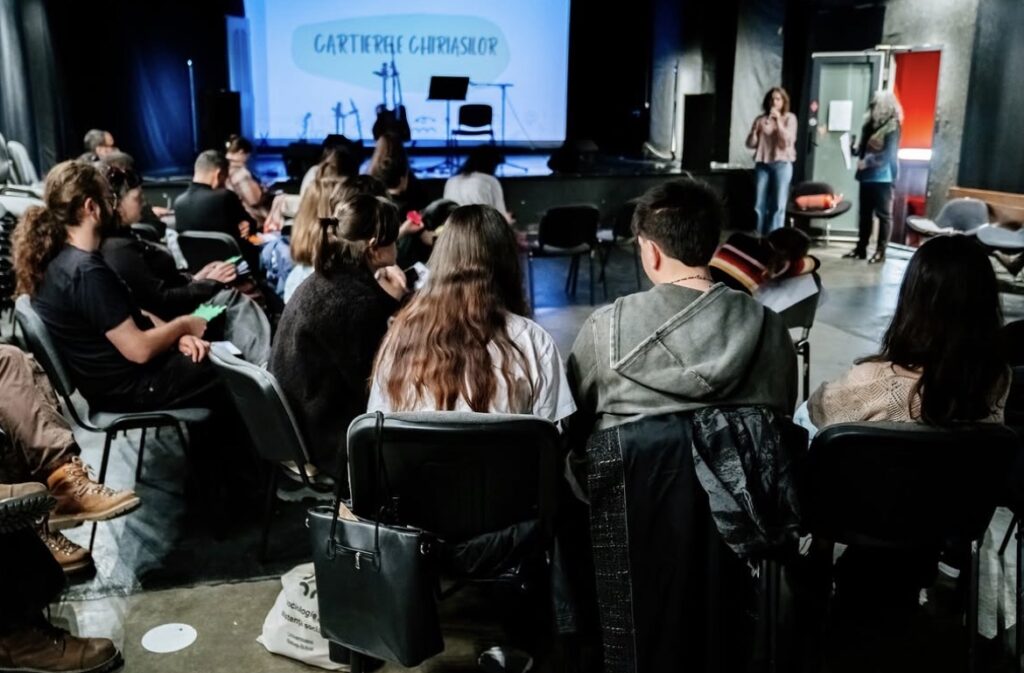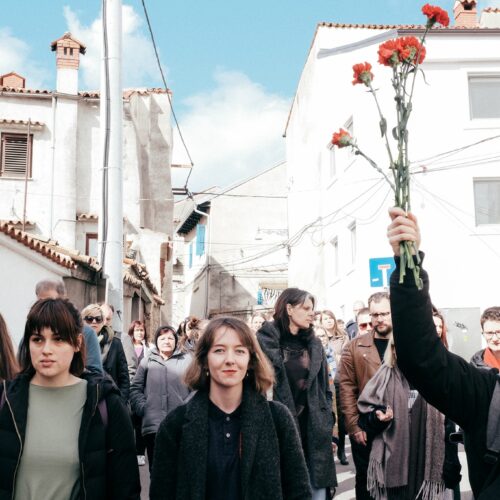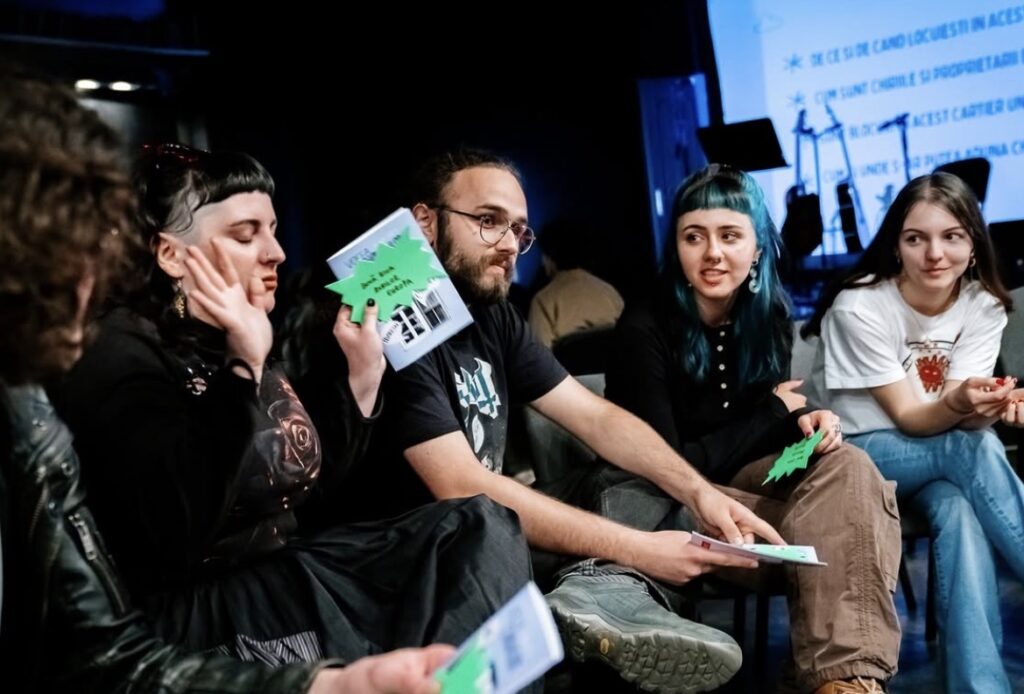
Based in Cluj-Napoca, Romania, the Desire Foundation acts as the administrative and fiscal backbone for a sprawling, radical coalition of nine leftist groups, ranging from the feminist Roma collective E-Romnja to the Hermes Trade Union Federation and the housing rights movement Social Housing NOW!. Established in 1996, Desire is no traditional NGO; it operates without permanent staff, functioning instead as a flexible activist platform that supports marginalised Roma communities, tenants facing eviction, and workers through a mix of funded projects and volunteer-driven action. Its ecosystem is defined by deep, entrenched social inequalities, from the financialisation of housing to the legacy of anti-communism and a palpable hunger for a unified socialist force in a country that has lacked one for nearly four decades. This context demands not just theoretical critique, but a patient, messy, and honest process of coalition-building among groups with distinct ideologies, constituencies, and tactical approaches, all united by a commitment to anti-capitalist, anti-racist, and feminist futures.
The Guerrilla Grant
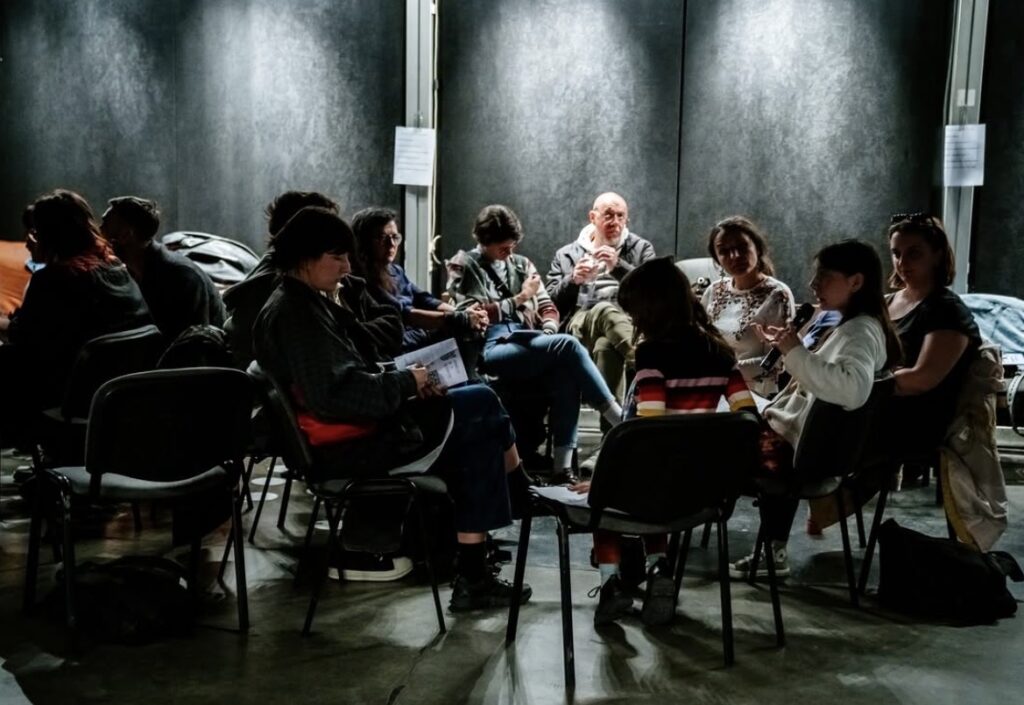
It is within this fragile and fertile space that the Guerrilla grant comes to life, funding the second edition of the Socialist Political Activism Summer Camp. Rather than rushing toward a monolithic party structure, the grant supports a more mature and radical endeavour: transforming ideological friction into a generative force. The funding will bring together 45 participants for a residential programme packed with nine intensive sessions, from workshops on anti-militarisation and trade unionism to roundtables on feminism as class struggle and the national question all deliberately designed to debate, rather than elide, the groups’ differences. Crucially, the grant enables the creation of a publicly disseminated digital brochure, ensuring that the coalition’s internal debates spark wider public discourse. But the true measure of the grant’s impact lies in its support for a “constructive politics of generative differences” funding not just comfortable agreement, but the difficult, mediated conversations about power and strategy that are the prerequisites for any lasting, radical political bloc in Romania.