Rutger Bregman’s Challenge to the Comfortable Class
The modern wealthy elite have not failed morally because they are evil. They have failed because they are mediocre.
This is the thesis at the heart of Rutger Bregman’s bracing intervention. The Dutch historian offers something far more cutting than familiar condemnation: a diagnosis of poverty of ambition among those who could, but will not, rise to the occasion of their own humanity.
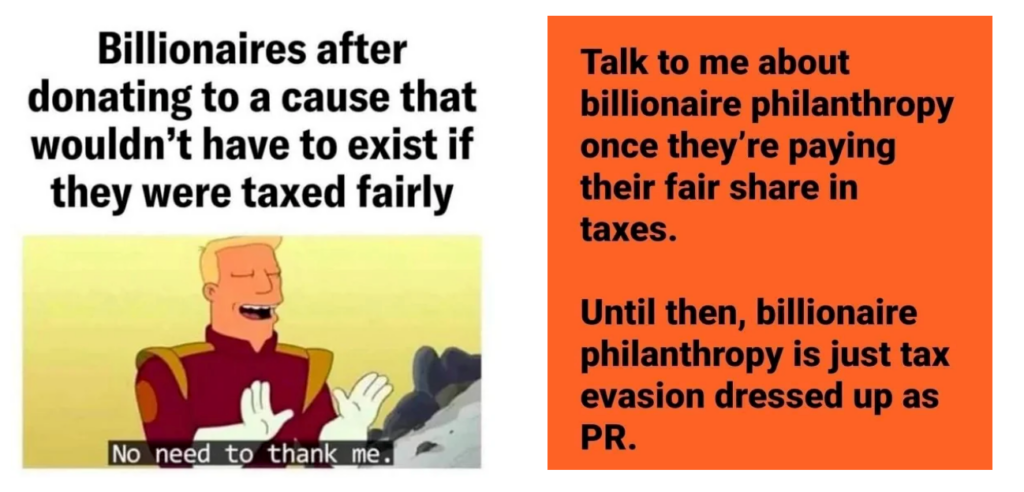
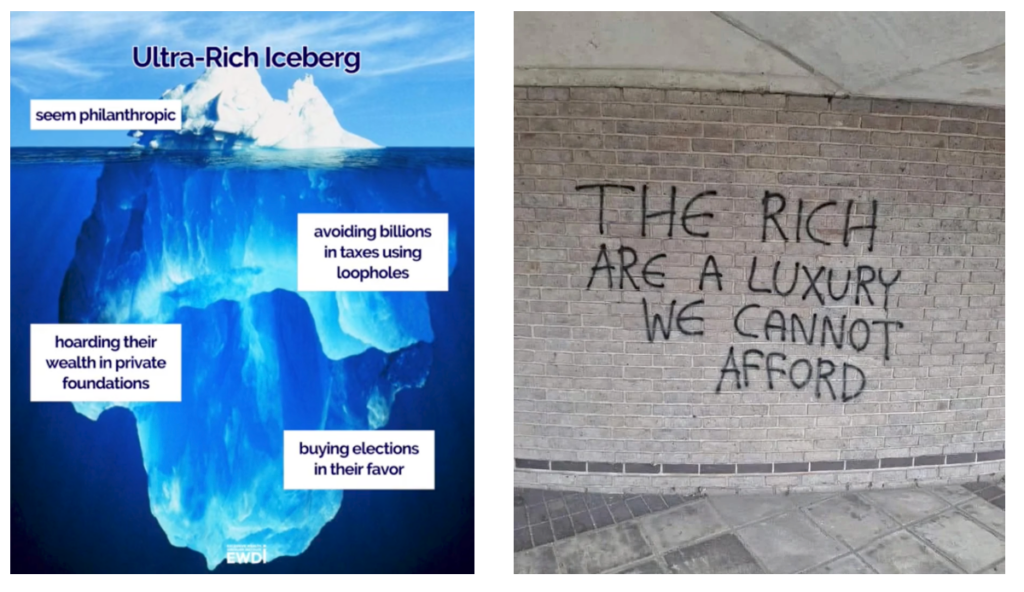
The hedge fund manager who donates to the opera while structuring shell companies in Luxembourg. The tech billionaire who signs the Giving Pledge while fighting taxes. The politician who champions diversity while accepting donations from polluters. These are not monsters. They are, in Bregman’s unforgiving formulation, morally mediocre, satisfied with the appearance of virtue because the substance would cost too much.
The Conscience of the Comfortable
What makes Bregman’s analysis potent is its historical depth. For much of Western history, the wealthy organised their lives around a question that has become almost unintelligible: How shall I be saved? We have replaced salvation with self-realisation, producing an elite sophisticated in personal fulfillment but bankrupt in moral seriousness. The modern professional class does not ask whether its life is good; it asks whether its life is satisfying.
The result is what Bregman calls “ethics-washing”, low-cost gestures that allow the comfortable to feel virtuous while inequality remains fortified. ESG investing that does not divest. Diversity statements that do not redistribute power. The problem is not that the wealthy lie about their virtue. The problem is that they believe their own press releases. As Bregman writes, “It’s not about looking good; it’s about doing good”.
It Is Not Immoral to Make Money. It Is Immoral to Keep It.
Here we arrive at Bregman’s central proposition: It is not immoral to make a crazy amount of money. It is immoral to keep it. The moral question begins not with acquisition but with retention, with what one does when one has more than any human being could reasonably need.
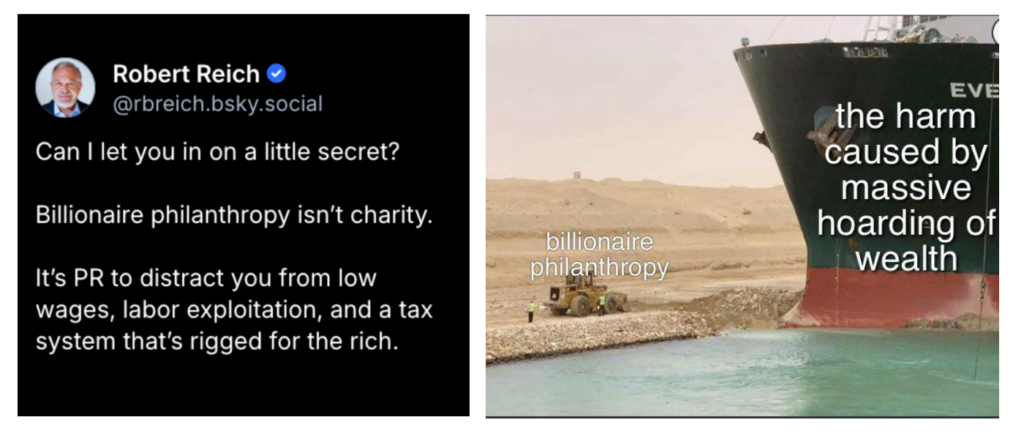
The contemporary wealthy have answered with an architecture of avoidance. They outsource moral obligations to charitable foundations that function as tax shelters, to impact investments that generate returns while generating press releases (and ‘environmental externalities’). “Many people are more preoccupied with the kind of work they do than with the impact that work has,” Bregman observes. “As long as it feels good” .
The modern elite will do anything for the poor except get off their backs. They will donate, volunteer, advocate, but they will not pay the taxes that would actually fund the public goods that might transform society. They will do everything except give up anything that matters.
The Emotional Architecture of Inaction
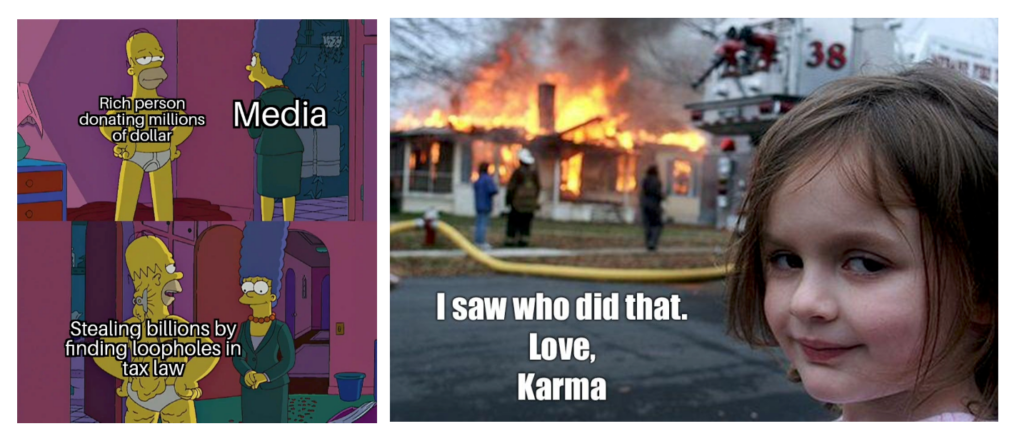
The concept of “moral licensing” proves essential here. The wealthy purchase indulgences that allow them to feel righteous while maintaining the systems that produce inequality. A donation here, a board seat there, these function not as the beginning of moral transformation but as its substitute. The small gesture licenses the large omission.
And beneath this lies something more intractable: the isolation of wealth. The super-rich have built lives so segregated from ordinary experience that empathy has become structurally impossible. Private schools, private transport, private healthcare, private islands. They float above a world they do not encounter.
Can moral ambition survive such isolation? Bregman’s implicit answer is no., which is why his call is not merely for redistribution but for desegregation. The wealthy cannot imagine justice until forced to inhabit the world their privileges have allowed them to escape.
The Illusion of Awareness
Bregman skewers what he calls the “illusion of awareness”, the belief that simply exposing injustice will inspire action. “Awareness doesn’t put food on the table,” he writes. “With awareness, you don’t cool down the planet, you’re not finding shelter for those 100 million refugees, and you won’t make a bit of difference for the 100 billion animals at factory farms worldwide. Awareness is at best a starting point, while for many activists, it seems to have become the end goal“.
He opens his book with a chapter titled “No, you’re not fine just the way you are”. There are, he notes, “two forms of ‘knowing.’ You can know something and then do something about it. Or you can know something and look away, afraid to face the consequences of what you know to be true”.
The Collective Action Problem
Yet here we encounter the most serious challenge: What is the rational choice for the individually morally ambitious wealthy person? If I pay my fair share of taxes while my peers do not, I have not improved the world, I have merely reduced my own resources. Systemic inequality means individual virtue, absent collective action, is nearly powerless.
This is not an argument against moral ambition but a specification. The morally ambitious wealthy cannot simply write cheques; they must become political actors dedicated to building the proper institutions: tax authorities, regulatory bodies, international treaties that compel the collective action individual conscience cannot achieve.
Power Before Wealth
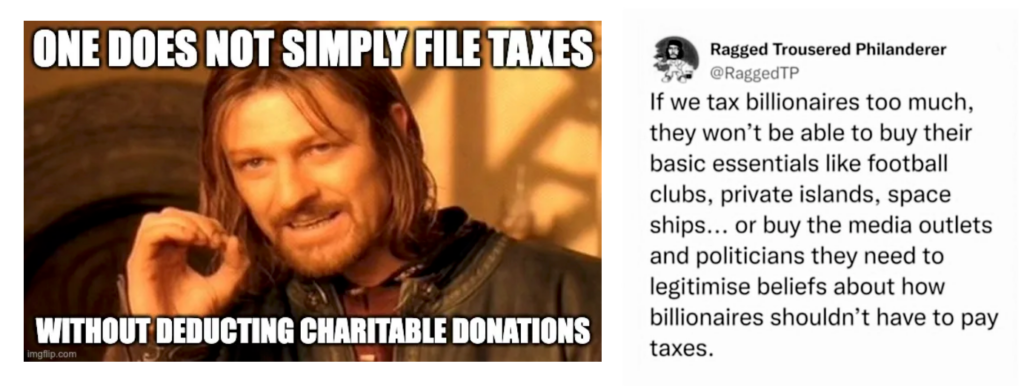
Wealth follows power, not the reverse. The super-rich fund the think tanks that produce ideologies justifying their privileges. They own the media outlets that normalize their existence. They lobby legislators who write tax codes that enrich them. The truly ambitious must work to dismantle these structures, to campaign against Citizens United, to advocate for public financing, to support antitrust enforcement that breaks up concentrations of economic power.
Bregman points to historical precedent. After the Gilded Age came the Progressive Era, “a revolt among elites who were just utterly fed up with the total decadence, immorality, and also frankly the unseriousness of the people who were in power”. Figures like Alva Vanderbilt transformed from decadent socialite to main financier of the women’s rights movement. The question is whether today’s elites can similarly awaken.
The Fear of Being Different
What holds the talented back? Bregman diagnoses a deep human instinct: “The fear of being different runs deep in human nature. We may tell earnest tales of our personal convictions, but what we actually do is mostly a matter of mimicry. The longing to belong is like a magnet, interfering with our inner compass”.
Yet he insists that “you can’t be afraid to come across as weird if you want to make a difference. Every milestone of civilization was first seen as the crazy idea of some subculture or another, from the Pythagorean theorem to the conviction that slavery is depraved“.
The Utopian Horizon
What would success look like? Bregman’s previous work, ‘Utopia for Realists’, offers hints: universal basic income, shorter working hours, public investment in common goods. Not the abolition of wealth but its diffusion. Not the end of ambition but its redirection toward ends that matter.
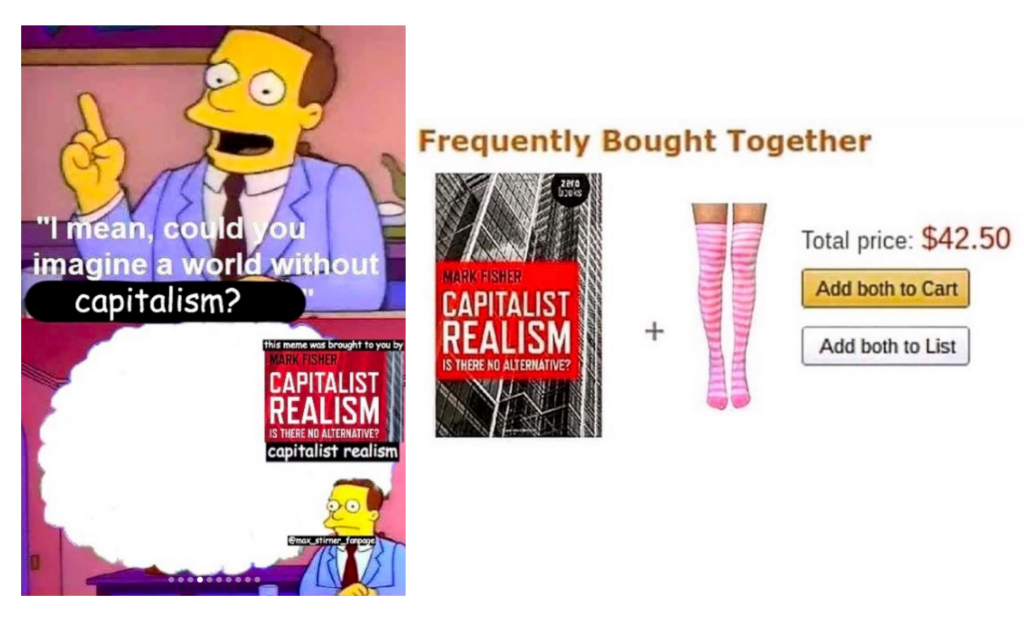
He diagnoses our era’s true crisis: “The real crisis of our times, of my generation, is not that we don’t have it good, or even that we might be worse off later on. No, the real crisis is that we can’t come up with anything better“. We have lost the capacity to imagine a different world. Yet “without all those wide-eyed dreamers down through the ages, we would all still be poor, hungry, dirty, afraid, stupid, sick, and ugly. Without utopia, we are lost“.
The morally ambitious life is not a life of deprivation but of greater meaning, freed from the exhausting pursuit of more, opened to satisfactions that wealth cannot buy. The wealthy are not being asked to sacrifice their humanity but to reclaim it.
The Question That Remains
Bregman has diagnosed moral mediocrity, traced its origins, anatomised its mechanisms, and proposed an ambitious alternative. But the question lingers for every reader:
What am I willing to give up?
Not what am I willing to advocate, or donate, or sign. Not what am I willing to post. But what am I willing to lose? What comfort, what status, what security am I prepared to surrender for the sake of justice?
This is the question that separates moral ambition from ethics-washing. This is the question the wealthy have evaded for generations. As Bregman writes, “It’s not what you think is right that counts, but what you’re prepared to do about it”.
So to refresh, under this perspective and in a 2026 capitalist stronghold, it is not immoral to make money. Yet it is immoral to keep it. So the question is whether we will keep it, or whether we will finally, at long last, let it go.
References
Bregman, R. (2017). *Utopia for realists: The case for a universal basic income, open borders, and a 15-hour workweek*. The Correspondent.
Bregman, R. (2024). Moral ambition: How to stop wasting your talent and start making a difference. Little, Brown and Company.