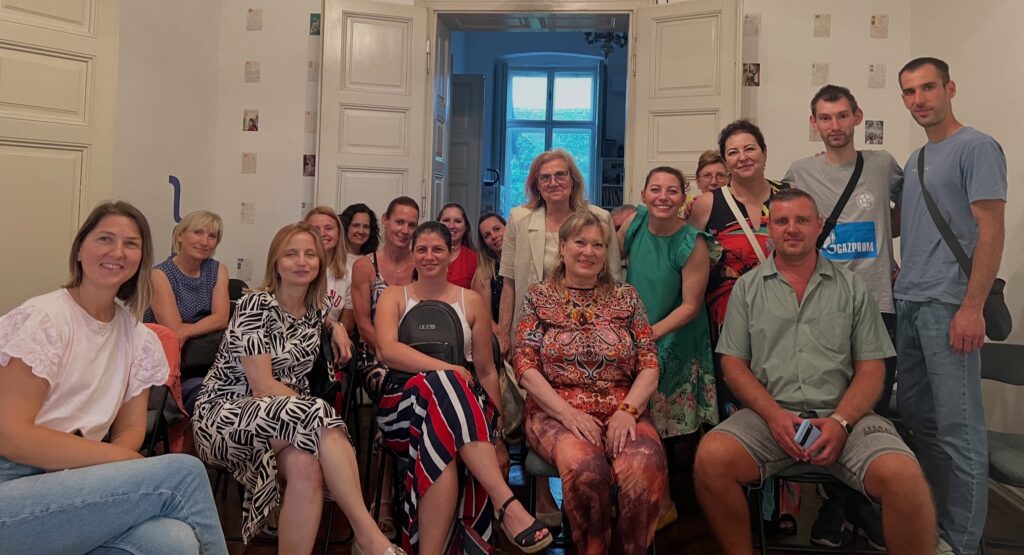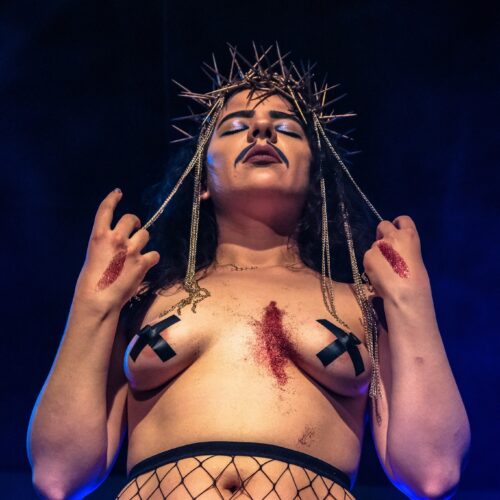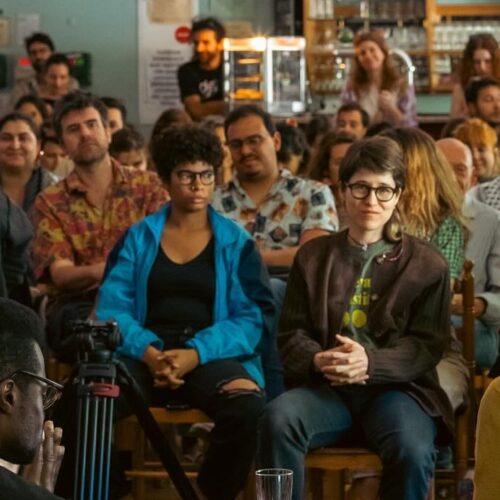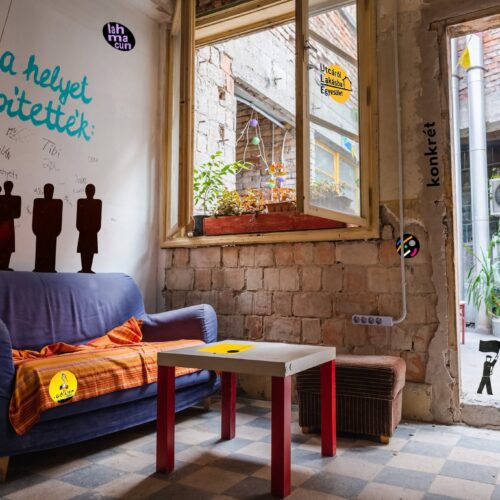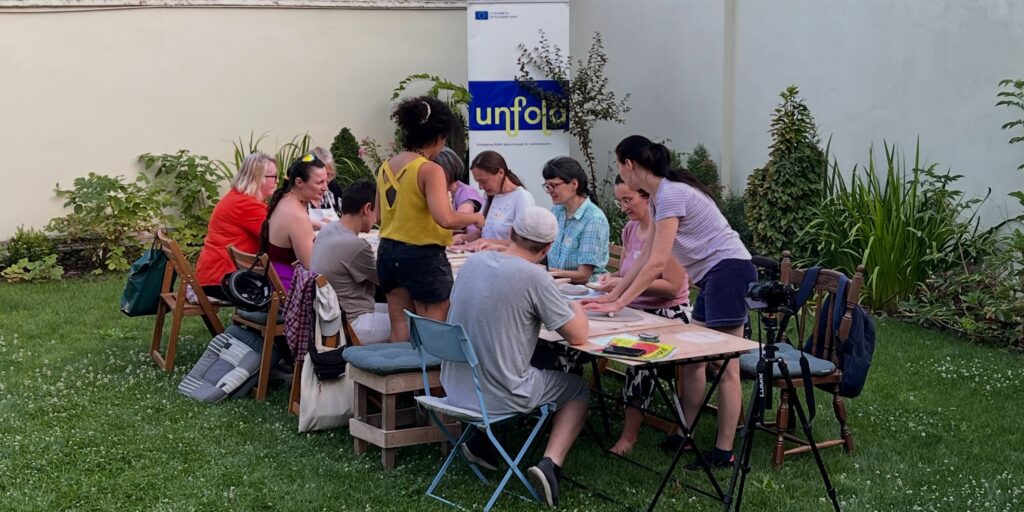
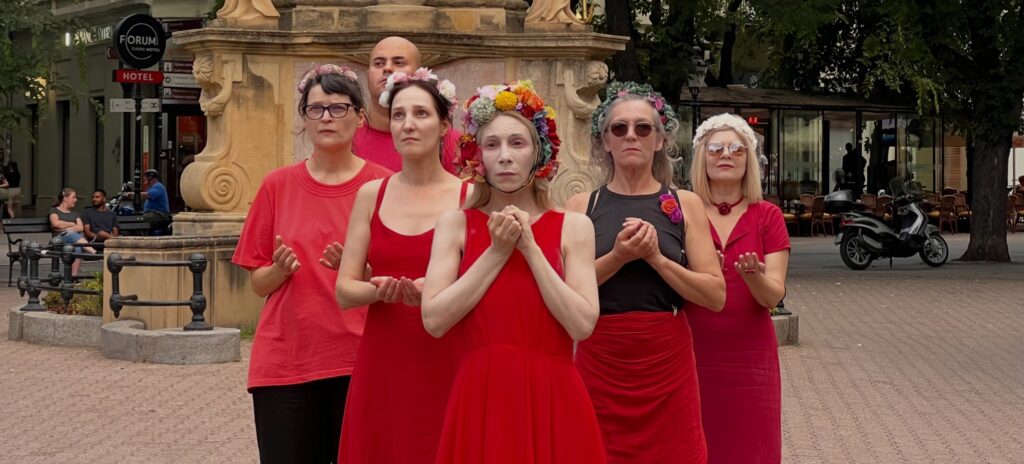
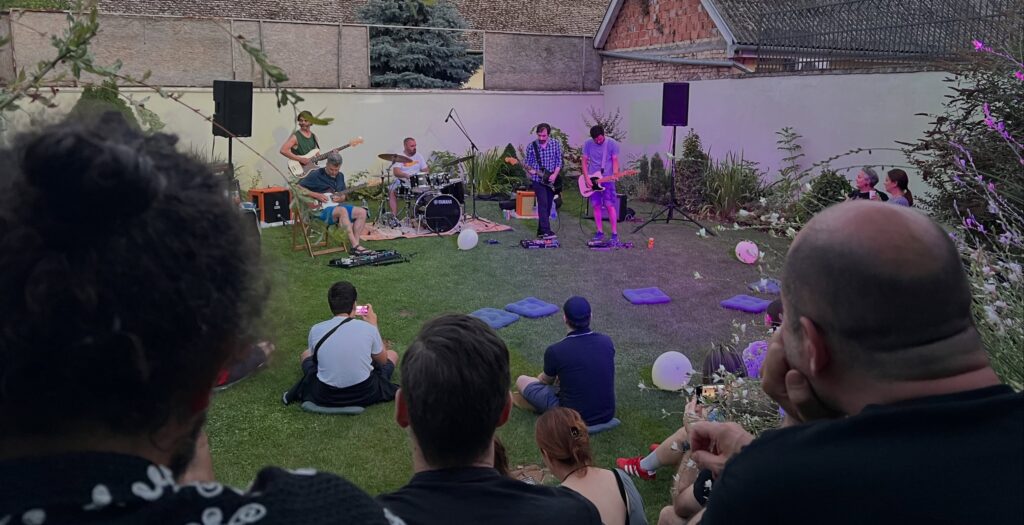
Based in Subotica, a multiculti city in northern Serbia near the Hungarian border, Klara i Rosa is a feminist, community-led cultural centre that operates at the sharp edge of social polarization, institutional exclusion, and declining civic participation. Named after two pioneering women from the region, the organisation works in a context where public funding has been systematically withdrawn, permits for public space use are routinely denied, and cooperation with schools and care homes is blocked without explanation, all symptoms of an increasingly authoritarian and centralised political environment that fears grassroots empowerment. Against this backdrop, Klara i Rosa has become a rare “brave space” where people from opposing political camps, LGBTQ+ individuals who cannot come out elsewhere, elderly residents, Roma communities, and rural populations can meet, create, and engage with difference. Their work is rooted in a feminist ethic of care, vulnerability, and non-competitiveness, using arts-based methods, poetry workshops, textile recycling, community cooking, drama in schools, and intercultural storytelling, to rebuild social cohesion from the ground up. The organisation is run horizontally by a core team of three activists, supported by 15 engaged volunteers and a General Assembly, and their impact is visible in the 4,000 people who annually engage with their space and programs, from local teenagers running a radio redaction to retired librarians sharing intercultural heritage. Their ultimate goal is not just to survive, but to demonstrate that community-led, trust-based work is the foundation upon which any broader democratic change must be built.
The Guerrilla Grant
The funding we are distributing will be deployed across three interconnected levels of sustainability, addressing the existential precarity that currently describes Klara i Rosa’s operating environment. First, it will deepen community engagement through a “Citizens’ Laboratory” approach, training local people to become facilitators and co-creators of workshops, transforming participants from passive attendees into active shapers of programming, and building the internal capacity for activities to become self-sustaining beyond the grant period. Second, the funding will support the development of income-generating activities, such as designing and selling small-scale products, creating a revenue stream that reduces dependence on dwindling donor support in the region. Third, it will enable essential refurbishment of the physical space after four years of intensive use, ensuring the center remains functional, welcoming, and accessible. Quantitatively, the grant aims to expand reach from 4,000 to 6,000 annual participants, grow Facebook and Instagram audiences, and track the transition of attendees into active facilitators. Qualitatively, success will be measured through focus groups and participant reflections that assess the quality of relationships, the sense of belonging, and the willingness to engage across difference. Crucially, this funding allows Klara i Rosa to move from a model of “intuitive activism” toward systematic monitoring and evaluation, strengthening their ability to demonstrate relevance and impact in a context where their work is often rendered invisible. By investing in local leadership, diversified income, and physical resilience, the grant ensures that this feminist, community-driven model can not only continue but grow, offering a powerful counter-narrative to polarization, and proving that even in the most constrained environments, the slow, patient work of building trust is neither naive nor optional, but essential.